Romans 9:19-26 in the King James Version of the Bible is a passage that delves deeply into the concepts of God's sovereignty, human free will, and the relationship between the chosen people of Israel and the Gentiles. This passage is part of Paul's letter to the Romans, in which he addresses the role of the Jewish people in God's plan for salvation and the inclusion of the Gentiles in that plan.
Let's explore the verses in detail:
Verse 19:
"Thou wilt say then unto me, Why doth he yet find fault? For who hath resisted his will?"
In this verse, Paul anticipates a question that might arise among his audience. The question of why God would find fault or hold people accountable for their actions if His will is ultimately sovereign. This touches on the age-old theological debate between predestination and free will. Paul acknowledges the tension between these two concepts and goes on to provide an answer in the following verses.
Verse 20:
"Nay but, O man, who art thou that repliest against God? Shall the thing formed say to him that formed it, Why hast thou made me thus?"
Here, Paul responds to the question by essentially saying that it is not the place of the creation to question the Creator. It is an assertion of God's sovereignty and the limitations of human understanding. Paul essentially tells his audience to submit to God's authority and accept His will, regardless of their understanding.
Verse 21:
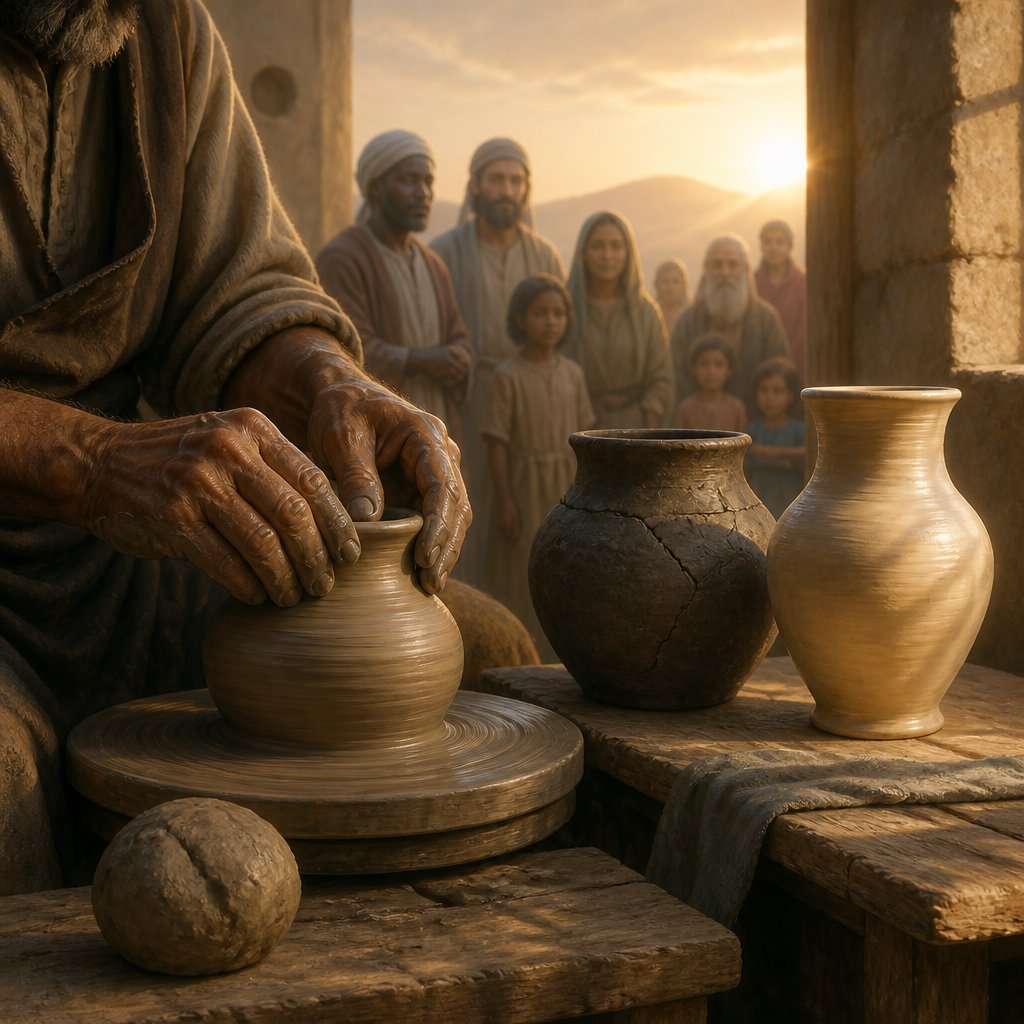
"Hath not the potter power over the clay, of the same lump to make one vessel unto honour, and another unto dishonour?"
Paul uses the analogy of a potter and clay to illustrate the relationship between God and His creation. Just as a potter has the right to shape the clay into different vessels for different purposes, so too does God have the right to determine the destiny and roles of His creation. This analogy reinforces the idea of God's sovereignty and authority over His creation.
Verse 22:
"What if God, willing to shew his wrath, and to make his power known, endured with much longsuffering the vessels of wrath fitted to destruction:"
Here, Paul introduces the idea of God's wrath and His power, as well as the concept of vessels of wrath fitted to destruction. This touches on the theme of God's justice and His dealings with those who reject Him. It also introduces the idea of God's patience and longsuffering in dealing with those who deserve His wrath, indicating His desire for repentance and reconciliation.
Verse 23:
"And that he might make known the riches of his glory on the vessels of mercy, which he had afore prepared unto glory,"
Building on the previous verse, Paul highlights God's purpose in demonstrating His glory through the vessels of mercy, whom He has prepared for glory. This underscores the idea of God's sovereignty in choosing and preparing those whom He will show mercy and bring to glory. It also emphasizes the contrast between the vessels of wrath and the vessels of mercy, highlighting the dual aspects of God's justice and mercy.
Verse 24:
"Even us, whom he hath called, not of the Jews only, but also of the Gentiles?"
Here, Paul introduces the inclusion of the Gentiles in God's plan of salvation. He emphasizes that God's call is not restricted to the Jews alone, but also extends to the Gentiles. This is a significant shift in the understanding of God's chosen people from being exclusively the Jews to encompassing both Jews and Gentiles. It speaks to the universal scope of God's redemptive plan for all people, regardless of their ethnic or cultural backgrounds.
Verse 25:
"As he saith also in Osee, I will call them my people, which were not my people; and her beloved, which was not beloved."
Paul references the prophet Hosea to support his point about the inclusion of the Gentiles in God's plan. He quotes from Hosea 2:23 and 1:10, where God promises to call those who were not His people, His people, and those who were not beloved, beloved. This demonstrates the fulfillment of God's promise to extend His grace and mercy to those who were previously outside the scope of His chosen people. It also underscores the continuity between the Old Testament prophecies and the New Testament fulfillment in Christ.
Verse 26:
"And it shall come to pass, that in the place where it was said unto them, Ye are not my people; there shall they be called the children of the living God."
Paul further emphasizes the inclusion of the Gentiles by quoting from Hosea 1:10, where God promises to call those who were not His people, His people, and to bestow upon them the title of "children of the living God." This reflects the radical transformation brought about by the gospel, wherein all believers, both Jews and Gentiles, are brought into the family of God as His beloved children.
In conclusion, Romans 9:19-26 delves into profound theological concepts such as God's sovereignty, human free will, the inclusion of the Gentiles in God's plan, and the continuity between the Old Testament prophecies and the New Testament fulfillment. Paul's message to the Romans emphasizes the universal scope of God's redemptive plan, the dual aspects of His justice and mercy, and the transformative power of the gospel. It is a powerful reminder of God's authority and grace, and the profound implications of His redemptive work for all people.
Get our apps


Artwork for Romans 9:19-26

Romans 9:19-26 - "You will say to me then, “Why does he still find fault? For who can resist his will?” But who are you, O man, to answer back to God? Will what is molded say to its molder, “Why have you made me like this?” Has the potter no right over the clay, to make out of the same lump one vessel for honorable use and another for dishonorable use? What if God, desiring to show his wrath and to make known his power, has endured with much patience vessels of wrath prepared for destruction, in order to make known the riches of his glory for vessels of mercy, which he has prepared beforehand for glory— even us whom he has called, not from the Jews only but also from the Gentiles? As indeed he says in Hosea, “Those who were not my people I will call ‘my people,’ and her who was not beloved I will call ‘beloved.’” “And in the very place where it was said to them, ‘You are not my people,’ there they will be called ‘sons of the living God.’”"
"You will say to me then, “Why does he still find fault? For who can resist his will?” But who are you, O man, to answer back to God? Will what is molded say to its molder, “Why have you made me like this?” Has the potter no right over the clay, to make out of the same lump one vessel for honorable use and another for dishonorable use? What if God, desiring to show his wrath and to make known his power, has endured with much patience vessels of wrath prepared for destruction, in order to make known the riches of his glory for vessels of mercy, which he has prepared beforehand for glory— even us whom he has called, not from the Jews only but also from the Gentiles? As indeed he says in Hosea, “Those who were not my people I will call ‘my people,’ and her who was not beloved I will call ‘beloved.’” “And in the very place where it was said to them, ‘You are not my people,’ there they will be called ‘sons of the living God.’”" - Romans 9:19-26

Romans 9:19 - "Thou wilt say then unto me, Why doth he yet find fault? For who hath resisted his will?"

Romans 9:26 - "And it shall come to pass, that in the place where it was said unto them, Ye are not my people; there shall they be called the children of the living God."
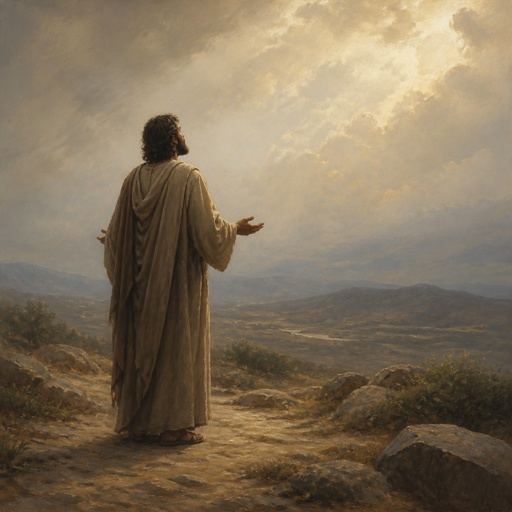
"Thou wilt say then unto me, Why doth he yet find fault? For who hath resisted his will?" - Romans 9:19

romans 8:26-28

Romans 7:19

Romans 8:19

Romans 5:19

Romans 8:19

Romans 5:19

Romans 10:9

Romans 10:9
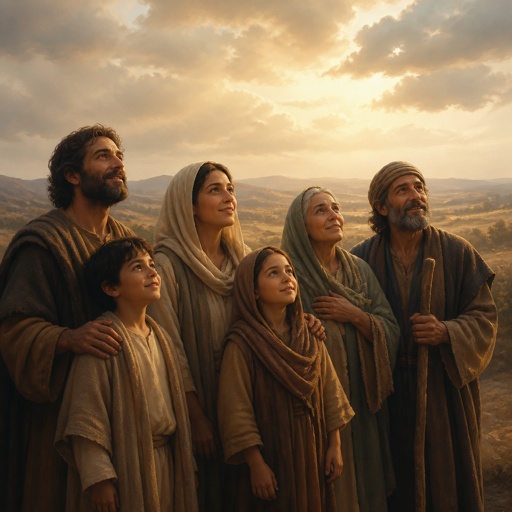
"And it shall come to pass, that in the place where it was said unto them, Ye are not my people; there shall they be called the children of the living God." - Romans 9:26

Romans 9:9 - "For this is the word of promise, At this time will I come, and Sara shall have a son."

Romans 2:26 - "Therefore if the uncircumcision keep the righteousness of the law, shall not his uncircumcision be counted for circumcision?"

Romans 8:19 - "For the earnest expectation of the creature waiteth for the manifestation of the sons of God."

Genesis 19-26

Matthew 19:26

Romans 15:26 - "For it hath pleased them of Macedonia and Achaia to make a certain contribution for the poor saints which are at Jerusalem."

Romans 11:19 - "Thou wilt say then, The branches were broken off, that I might be graffed in."

John 19:26-27

Romans 9:12 - "It was said unto her, The elder shall serve the younger."

Romans 3:26 - "To declare, I say, at this time his righteousness: that he might be just, and the justifier of him which believeth in Jesus."

Romans 16:26 - "But now is made manifest, and by the scriptures of the prophets, according to the commandment of the everlasting God, made known to all nations for the obedience of faith:"

Romans 2:19 - "And art confident that thou thyself art a guide of the blind, a light of them which are in darkness,"

Romans 7:19 - "For the good that I would I do not: but the evil which I would not, that I do."

Romans 9:14 - "What shall we say then? Is there unrighteousness with God? God forbid."

Romans 1:19 - "Because that which may be known of God is manifest in them; for God hath shewed it unto them."

Genesis 26:9