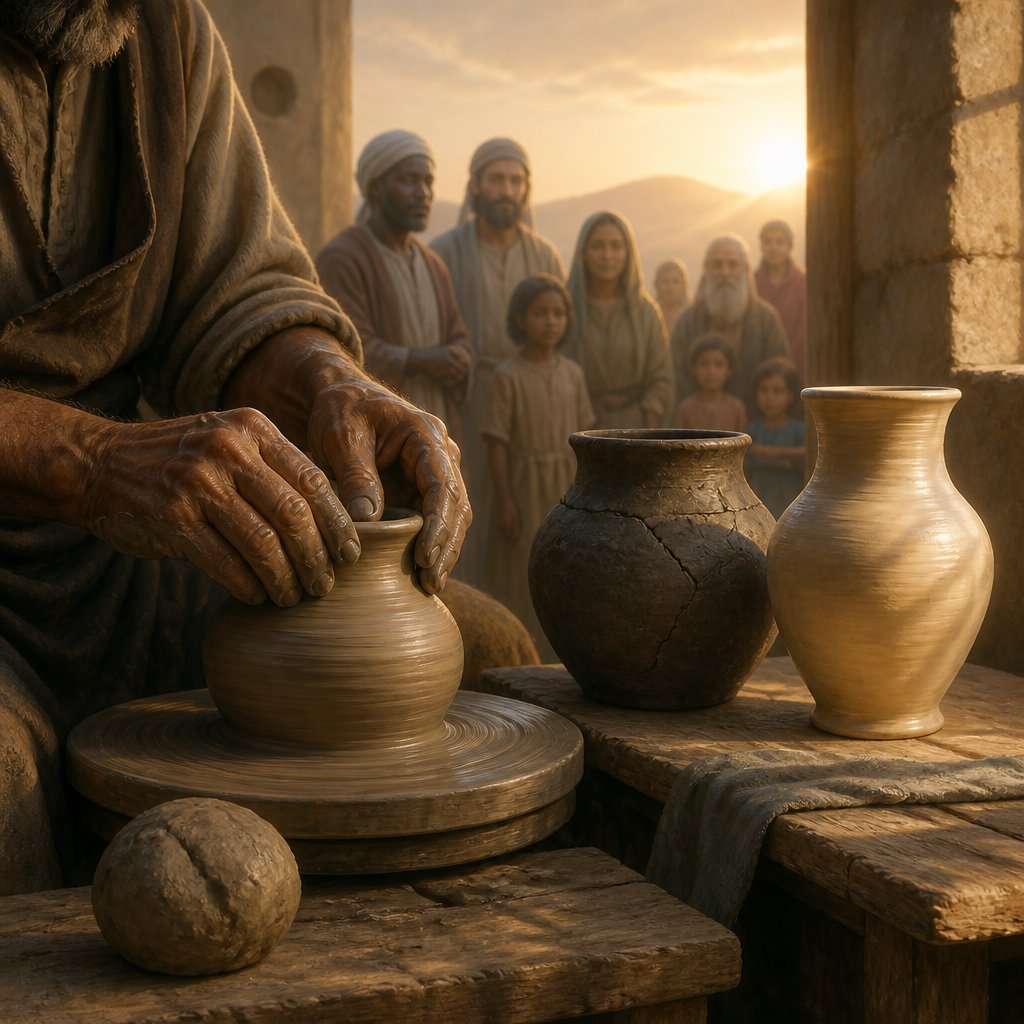
In the profound verses of Romans 9:19-26, the Apostle Paul delves deep into the intricate tapestry of God’s sovereignty, human responsibility, and the overwhelming mercy that flows from the heart of our Creator. As we meditate on these words, we are invited to reflect on the relationship between the potter and the clay—a metaphor that reveals the nature of God's authority and His gracious design for humanity.
The passage begins with an inquiry: "Thou wilt say then unto me, Why doth he yet find fault? For who hath resisted his will?" (Romans 9:19). This rhetorical question arises from the tension between God’s sovereignty and human accountability. Paul anticipates an objection from those who struggle with the implications of divine predestination. They wonder: If God has ultimate control and purpose, how can He hold us accountable for our actions?
Paul, in his distinctive style, responds with a profound reminder of our posture before God: "Nay but, O man, who art thou that repliest against God?" (Romans 9:20). Here, Paul challenges us to recognize our place as created beings in relation to our Creator. We are but clay in the hands of the potter, shaped and molded according to His divine will. The potter's authority over the clay serves as an essential truth; a vessel cannot question its purpose or form without disregarding the intent of the one who crafted it. How often do we, like the clay, demand explanations from our Maker, asking, "Why hast thou made me thus?" Perhaps in moments of struggle, confusion, or disappointment, we forget that the potter’s designs surpass our limited understanding.
Paul continues with a powerful assertion of God’s sovereignty: "Hath not the potter power over the clay, of the same lump to make one vessel unto honour, and another unto dishonour?" (Romans 9:21). This reveals the reality that God creates with purpose—some for honorable use and others for purposes that may seem dishonorable to our human perspective. In a world that often values human equality and fairness, this verse serves as a reminder of a divine order that does not always align with our concepts of justice. God's wisdom orchestrates a grand narrative that sometimes includes vessels destined for destruction, yet even in this, we see His longsuffering.
God's patience is key as Paul writes, "What if God, willing to shew his wrath, and to make his power known, endured with much longsuffering the vessels of wrath fitted to destruction" (Romans 9:22). His tolerance is not indicative of neglect or indifference but rather speaks to the depths of His mercy and desire for redemption. God is not swift to judge but yearns for humanity to turn towards Him, offering time for repentance—a theme echoed throughout scripture.
As the passage unfolds, we witness the magnificent splendor of God’s mercy: "And that he might make known the riches of his glory on the vessels of mercy, which he had afore prepared unto glory" (Romans 9:23). Here we find profound hope—the existence of "vessels of mercy" signifies that God prepares hearts for salvation. We are reminded that His calling extends beyond cultural or national boundaries. "Even us, whom he hath called, not of the Jews only, but also of the Gentiles?" (Romans 9:24). This inclusion is nothing short of miraculous—a testament to the fact that God’s grace is abundant and available to all.
Finally, Paul quotes the prophet Hosea, proclaiming, "I will call them my people, which were not my people; and her beloved, which was not beloved" (Romans 9:25). Through Christ, the barriers separating Jew and Gentile are dismantled, and we are invited to become children of the living God. This incredible truth challenges our perspectives and calls us to embrace a broader understanding of God’s family.
In conclusion, as we reflect on Romans 9:19-26, we find ourselves in a sacred space of humility before our Potter. Each day offers us an opportunity to yield to His work in our lives, acknowledging His wisdom and purpose over our own. May we celebrate the beautiful truth that we are called, appointed, and loved—not of our merit but through His mercy, as vessels of honor in a world that desperately needs to see the glory of God.
Get our apps


Artwork for Romans 9:19-26

Romans 9:19-26 - "You will say to me then, “Why does he still find fault? For who can resist his will?” But who are you, O man, to answer back to God? Will what is molded say to its molder, “Why have you made me like this?” Has the potter no right over the clay, to make out of the same lump one vessel for honorable use and another for dishonorable use? What if God, desiring to show his wrath and to make known his power, has endured with much patience vessels of wrath prepared for destruction, in order to make known the riches of his glory for vessels of mercy, which he has prepared beforehand for glory— even us whom he has called, not from the Jews only but also from the Gentiles? As indeed he says in Hosea, “Those who were not my people I will call ‘my people,’ and her who was not beloved I will call ‘beloved.’” “And in the very place where it was said to them, ‘You are not my people,’ there they will be called ‘sons of the living God.’”"
"You will say to me then, “Why does he still find fault? For who can resist his will?” But who are you, O man, to answer back to God? Will what is molded say to its molder, “Why have you made me like this?” Has the potter no right over the clay, to make out of the same lump one vessel for honorable use and another for dishonorable use? What if God, desiring to show his wrath and to make known his power, has endured with much patience vessels of wrath prepared for destruction, in order to make known the riches of his glory for vessels of mercy, which he has prepared beforehand for glory— even us whom he has called, not from the Jews only but also from the Gentiles? As indeed he says in Hosea, “Those who were not my people I will call ‘my people,’ and her who was not beloved I will call ‘beloved.’” “And in the very place where it was said to them, ‘You are not my people,’ there they will be called ‘sons of the living God.’”" - Romans 9:19-26

Romans 9:19 - "Thou wilt say then unto me, Why doth he yet find fault? For who hath resisted his will?"

Romans 9:26 - "And it shall come to pass, that in the place where it was said unto them, Ye are not my people; there shall they be called the children of the living God."
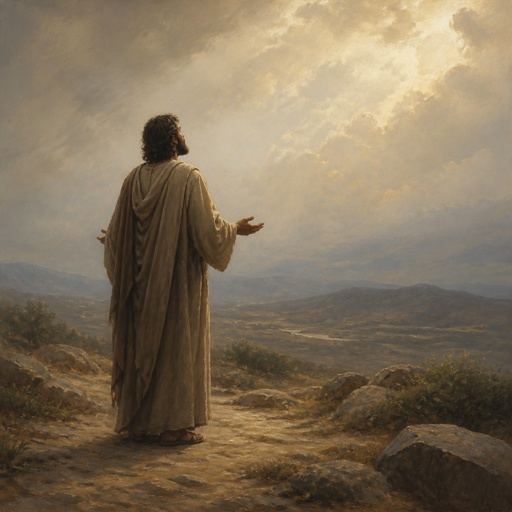
"Thou wilt say then unto me, Why doth he yet find fault? For who hath resisted his will?" - Romans 9:19

romans 8:26-28

Romans 7:19

Romans 8:19

Romans 5:19

Romans 8:19

Romans 5:19

Romans 10:9

Romans 10:9
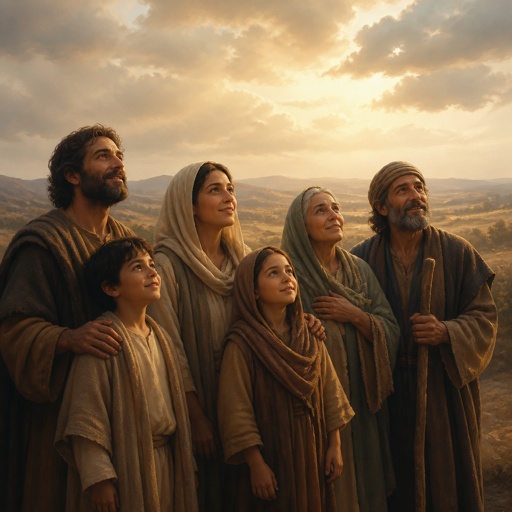
"And it shall come to pass, that in the place where it was said unto them, Ye are not my people; there shall they be called the children of the living God." - Romans 9:26

Romans 9:9 - "For this is the word of promise, At this time will I come, and Sara shall have a son."

Romans 2:26 - "Therefore if the uncircumcision keep the righteousness of the law, shall not his uncircumcision be counted for circumcision?"

Romans 8:19 - "For the earnest expectation of the creature waiteth for the manifestation of the sons of God."

Genesis 19-26

Matthew 19:26

Romans 15:26 - "For it hath pleased them of Macedonia and Achaia to make a certain contribution for the poor saints which are at Jerusalem."

Romans 11:19 - "Thou wilt say then, The branches were broken off, that I might be graffed in."

John 19:26-27

Romans 9:12 - "It was said unto her, The elder shall serve the younger."

Romans 3:26 - "To declare, I say, at this time his righteousness: that he might be just, and the justifier of him which believeth in Jesus."

Romans 16:26 - "But now is made manifest, and by the scriptures of the prophets, according to the commandment of the everlasting God, made known to all nations for the obedience of faith:"

Romans 2:19 - "And art confident that thou thyself art a guide of the blind, a light of them which are in darkness,"

Romans 7:19 - "For the good that I would I do not: but the evil which I would not, that I do."

Romans 9:14 - "What shall we say then? Is there unrighteousness with God? God forbid."

Romans 1:19 - "Because that which may be known of God is manifest in them; for God hath shewed it unto them."

Genesis 26:9