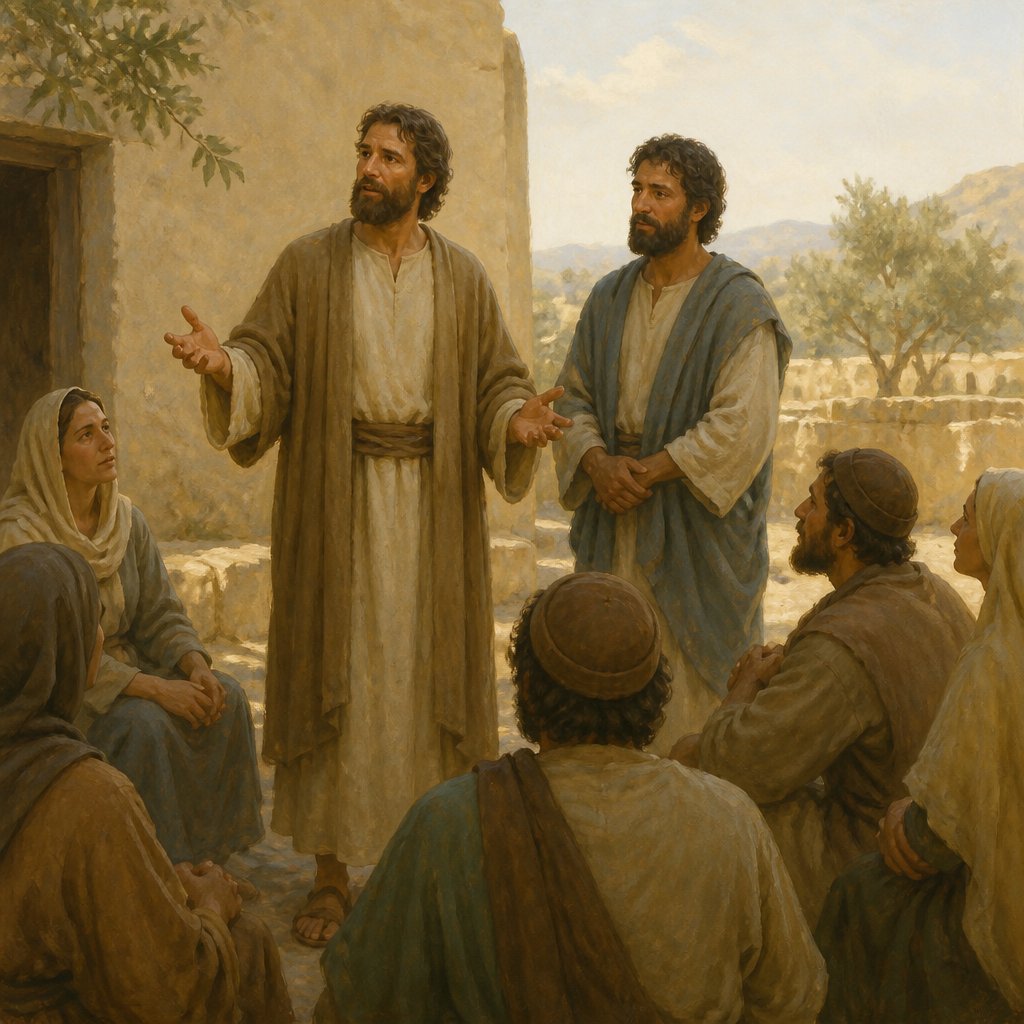
Acts 14:7 states, "And there they preached the gospel." This simple sentence encapsulates the essence of Christian mission and ministry, emphasizing the centrality of the Gospel in the life of believers. In studying this verse, we uncover profound truths about the role of preaching in the life of the early church and its continued relevance today.
Preaching the Gospel is not merely a call to deliver eloquent speeches or to engage in persuasive dialogue; it is an invocation to share the life-changing message of Jesus Christ. The apostle Paul, along with Barnabas, exemplified this in their missionary journeys. Their commitment to preaching the Gospel demonstrates an unwavering dedication to sharing the good news of Jesus with those who had not yet encountered it.
In the context of Acts 14, we see Paul and Barnabas traveling through Iconium and later to Lystra, where they face both opposition and encouragement. The verse draws our attention to the importance of geographical spread and intentionality in preaching. They preached the Gospel in various places, showcasing the urgency and necessity of the message. As we reflect on this, we must ask ourselves: Are we taking the time to preach the Gospel where we are and to those we encounter?
When they preached the Gospel, it was more than just a recitation of facts; it was the proclamation of salvation, healing, and deliverance. It was an embodiment of God’s love and an invitation to enter into a relationship with Him. This is echoed repeatedly through the book of Acts, where preaching is linked with signs and wonders, demonstrating God’s power at work in the world. Each act of preaching was a bold declaration that the Kingdom of God was near, a transformation of not only individual hearts but entire communities.
The power of the gospel lies in its ability to alter destinies. Paul was himself an example of the transformative power of the Gospel. Prior to his encounter with Christ on the road to Damascus, he vehemently opposed the Christians. After this encounter, he became a fervent preacher of the very Gospel he sought to extinguish. This contrast emphasizes that there is no one beyond the reach of God’s grace.
Moreover, preaching the Gospel is a communal action. The phrase “they preached” signifies a collective effort. In our own lives, we are reminded that while the proclamation may often fall to individual leaders or evangelists, every believer is called to participate in spreading the good news of Christ. Whether through our words, actions, or even the way we live our lives, we have the opportunity to be the hands and feet of Jesus in our world.
Furthermore, Acts 14:7 informs us that preaching the Gospel may lead to unexpected challenges. Soon after, we witness Paul enduring persecution, which underscores the reality that while the message of hope is powerful, it may not always be welcomed. Paul and Barnabas faced threats, stoning, and outright rejection; yet they remained steadfast. This challenges us to consider our own responses when faced with adversity in sharing our faith. Do we retreat or do we press on, remembering that the message of hope transcends our circumstances?
Finally, preaching the Gospel invites a response. The word “preached” inherently engages listeners, asking them to respond not just intellectually, but spiritually. The individuals exposed to this preaching in the ministry of Paul and Barnabas were faced with life-altering decisions. The same is true for those who hear the Gospel today. Every encounter with the Gospel demands a response on our part—whether it be acceptance, rejection, or a pursuit of deeper understanding.
In conclusion, Acts 14:7 reminds us of the significance of preaching the Gospel in every aspect of our lives. As we embrace our calling as messengers of hope, let us do so with courage, knowing that our commitment to sharing the good news can transform lives, communities, and the world around us. May we be bold and faithful in declaring the Gospel wherever we go.
Get our apps


Artwork for Acts 14:7

Acts 14:7 - "And there they preached the gospel."

"And there they preached the gospel." - Acts 14:7

Acts 7:14 - "Then sent Joseph, and called his father Jacob to him, and all his kindred, threescore and fifteen souls."
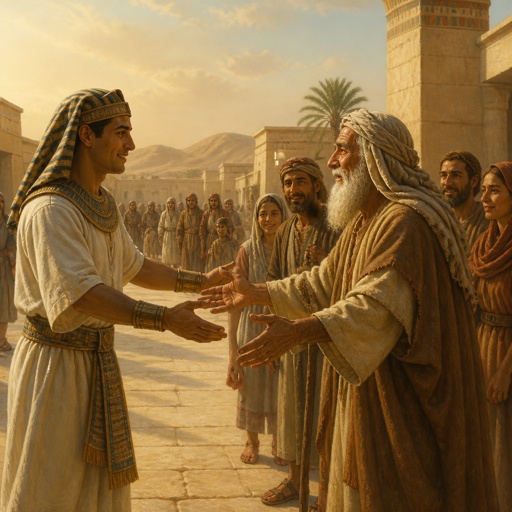
"Then sent Joseph, and called his father Jacob to him, and all his kindred, threescore and fifteen souls." - Acts 7:14

Acts 14:17

Acts 3:6-7

Acts 3:6-7

Acts 3:6-7

Acts 3:6-7

Acts 3:6-7

Acts 14:28 - "And there they abode long time with the disciples."

Acts 14:14 - "Which when the apostles, Barnabas and Paul, heard of, they rent their clothes, and ran in among the people, crying out,"

acts 20:7-12

Acts 7:47 - "But Solomon built him an house."

Acts 14:24 - "And after they had passed throughout Pisidia, they came to Pamphylia."

Acts 7:1 - "Then said the high priest, Are these things so?"

Acts 19:7 - "And all the men were about twelve."

Depict the events of Acts 19:14-17

Acts 27:14 - "But not long after there arose against it a tempestuous wind, called Euroclydon."

Acts 14:25 - "And when they had preached the word in Perga, they went down into Attalia:"

Acts 14:4 - "But the multitude of the city was divided: and part held with the Jews, and part with the apostles."

Acts 7:50 - "Hath not my hand made all these things?"

Acts 14:16 - "Who in times past suffered all nations to walk in their own ways."

Acts 14:18 - "And with these sayings scarce restrained they the people, that they had not done sacrifice unto them."

Acts 5:14 - "And believers were the more added to the Lord, multitudes both of men and women.)"

Acts 7:7 - "And the nation to whom they shall be in bondage will I judge, said God: and after that shall they come forth, and serve me in this place."

2 Kings 14:18 - "And the rest of the acts of Amaziah, are they not written in the book of the chronicles of the kings of Judah?"

Acts 14:12 - "And they called Barnabas, Jupiter; and Paul, Mercurius, because he was the chief speaker."

Acts 21:14 - "And when he would not be persuaded, we ceased, saying, The will of the Lord be done."

Acts 7:18 - "Till another king arose, which knew not Joseph."