At the Gate Called Beautiful: A Journey of Transformation
“And a certain man lame from his mother’s womb was carried, whom they laid daily at the gate of the temple which is called Beautiful, to ask alms of them that entered into the temple;” — Acts 3:2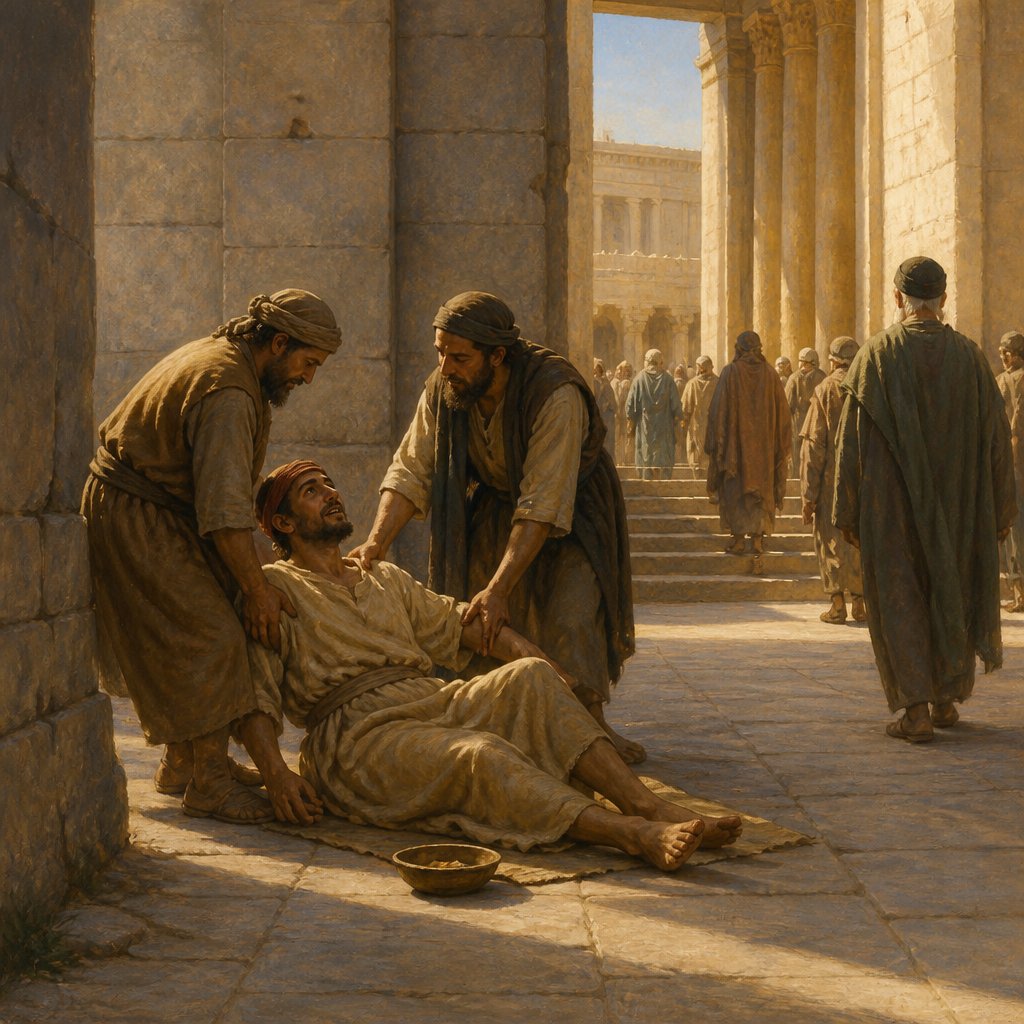
In the heart of Jerusalem, at the magnificent entrance of the temple known as Beautiful, there lay a man, lame from birth. Acts 3:2 reveals, "And a certain man lame from his mother's womb was carried, whom they laid daily at the gate of the temple which is called Beautiful, to ask alms of them that entered into the temple." This unhallowed circumstance provides us with poignant lessons that transcend time and speak into the core of human experience and spiritual awakening.
The man’s physical ailment was a daily reminder of limitations—both his and those of society around him. From birth, he was marked by his disability, and though he had many needs, the only solution offered was alms. To be laid at the gate of the temple was a paradox: he was in proximity to the house of God, yet he was also physically excluded from entering in due to his lameness. This can often be the case for many in life—they find themselves close to the divine yet disconnected from the experience of fullness and wholeness that God desires for us.
As we meditate on this passage, we can ask ourselves: what are the barriers that limit our engagement with the presence of God? Like the lame man, are there areas in our lives where we feel unable to venture into a deeper relationship with our Creator? The man’s lifestyle of begging at the Beautiful gate epitomizes a deeper spiritual quest many undertake as they seek God and his provision, which often remains unfulfilled when we focus solely on immediate physical needs rather than deeper spiritual healing.
The term "Beautiful" can be viewed as a metaphor. It symbolizes not just the physical landmark of the temple, but also encompasses the beauty of God's provision and grace that awaits us within the walls of the temple. The man, laid there daily, represents many in our world today: individuals seeking something more substantial than mere survival, hoping to find hope and transformation amidst their hardships.
Daily, we are presented with choices to either remain at our gates, clinging to our past, or to rise up and step into the beauty that God has for us. The situation of the lame man is deeply relatable. His inability to walk signifies many of our own spiritual limps—places in our lives where we might feel inadequate, abandoned, or void of purpose. In the moments when we feel most limited, it is vital to remember that our circumstances do not define us nor our proximity to God.
What was fascinating about the lame man was that his condition prompted others to consider him, leading to their engagement with his needs. Each day, men and women filed past him, perhaps feeling pity, but also meeting the limits of their compassion at the level of mere almsgiving. God, however, had greater plans for this man than daily survival; He intended a transformation.
When Peter and John encounter this lame man in the next verses, it culminates with the profound interaction when Peter states, "Silver and gold have I none; but such as I have give I thee: In the name of Jesus Christ of Nazareth rise up and walk" (Acts 3:6 KJV). This interaction teaches us that true kindness transcends mere financial support; it is a willingness to reach deeper and offer the love and power of God that transforms lives altogether.
As we reflect on our own lives, let us consider how we might progress from merely asking for alms—temporary fixes—to seeking the holistic wholeness found in Christ. Are we willing to allow God to lift us up from our limitations and lead us toward the Beautiful things He has in store?
In conclusion, let us reflect on the gate called Beautiful in our own lives. May we seek to step out of our limitations into the healing power of God, embracing the full life that is offered to us. The very things that seem to separate us from God can become the basis of our testimony and transformation. Let us rise and walk into our own Beautiful gates.
Get our apps


Artwork for Acts 3:2
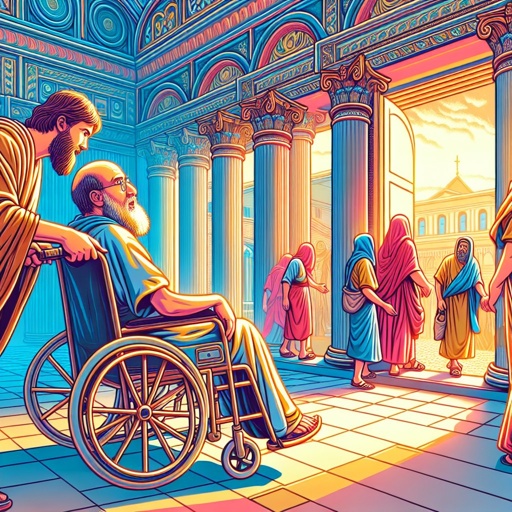
Acts 3:2 - "And a certain man lame from his mother's womb was carried, whom they laid daily at the gate of the temple which is called Beautiful, to ask alms of them that entered into the temple;"
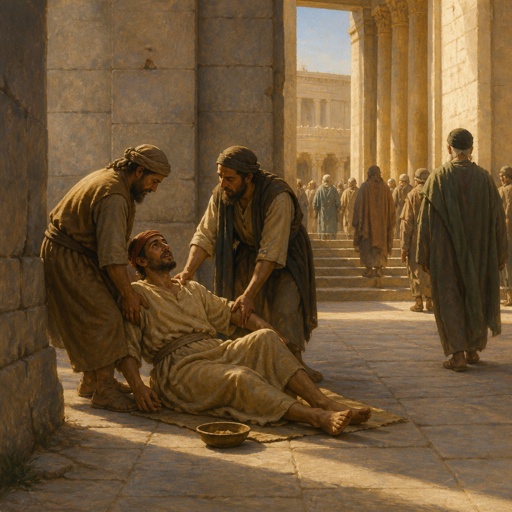
"And a certain man lame from his mother's womb was carried, whom they laid daily at the gate of the temple which is called Beautiful, to ask alms of them that entered into the temple;" - Acts 3:2

Acts 2:2-3

Acts 2:2-3

Acts 2:3

Acts 2:3 - "And there appeared unto them cloven tongues like as of fire, and it sat upon each of them."

Acts 2;2-3

"And there appeared unto them cloven tongues like as of fire, and it sat upon each of them." - Acts 2:3

Acts 3:16

Acts 3:16

Acts 3:16

Acts 3:16

Acts 3:6-7

Acts 3:6-7

Acts 3:6-7

Acts 3:6-7

Acts 3:6-7

acts 3 11

Acts 2:2

Acts 2:2

Acts 3:3 - "Who seeing Peter and John about to go into the temple asked an alms."
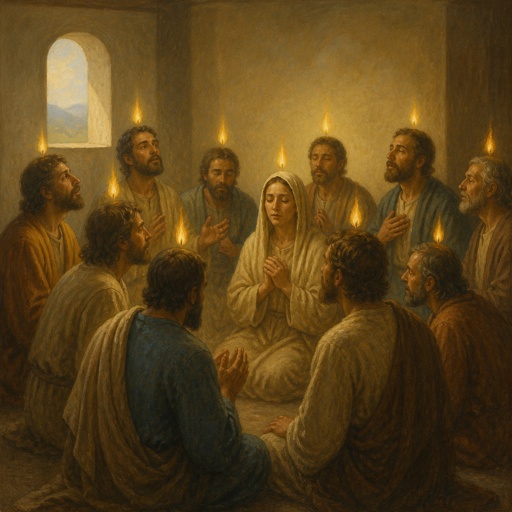
"And there appeared unto them cloven tongues like as of fire, and it sat upon each of them." - Acts 2:3
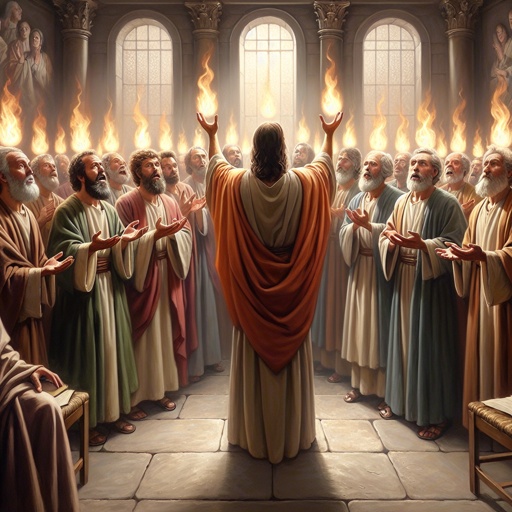
acts 2:3 twelve apostles in first century room with small tongues of fire over their heads, hands raised in praise—others in the room but without any fire on them.

Acts 2:17

Acts 2:17

Acts 2:4

Acts 2:17

2 Kings 3:2 - "And he wrought evil in the sight of the LORD; but not like his father, and like his mother: for he put away the image of Baal that his father had made."

Acts 17:2-3 - "As was his custom, Paul went into the synagogue, and on three Sabbath days he reasoned with them from the Scriptures, explaining and proving that the Messiah had to suffer and rise from the dead. "This Jesus I am proclaiming to you is the Messiah," he said."

Acts 3:9 - "And all the people saw him walking and praising God:"