The Heart of Forgiveness: Lessons from Stephen's Last Words
“And he kneeled down, and cried with a loud voice, Lord, lay not this sin to their charge. And when he had said this, he fell asleep.” — Acts 7:60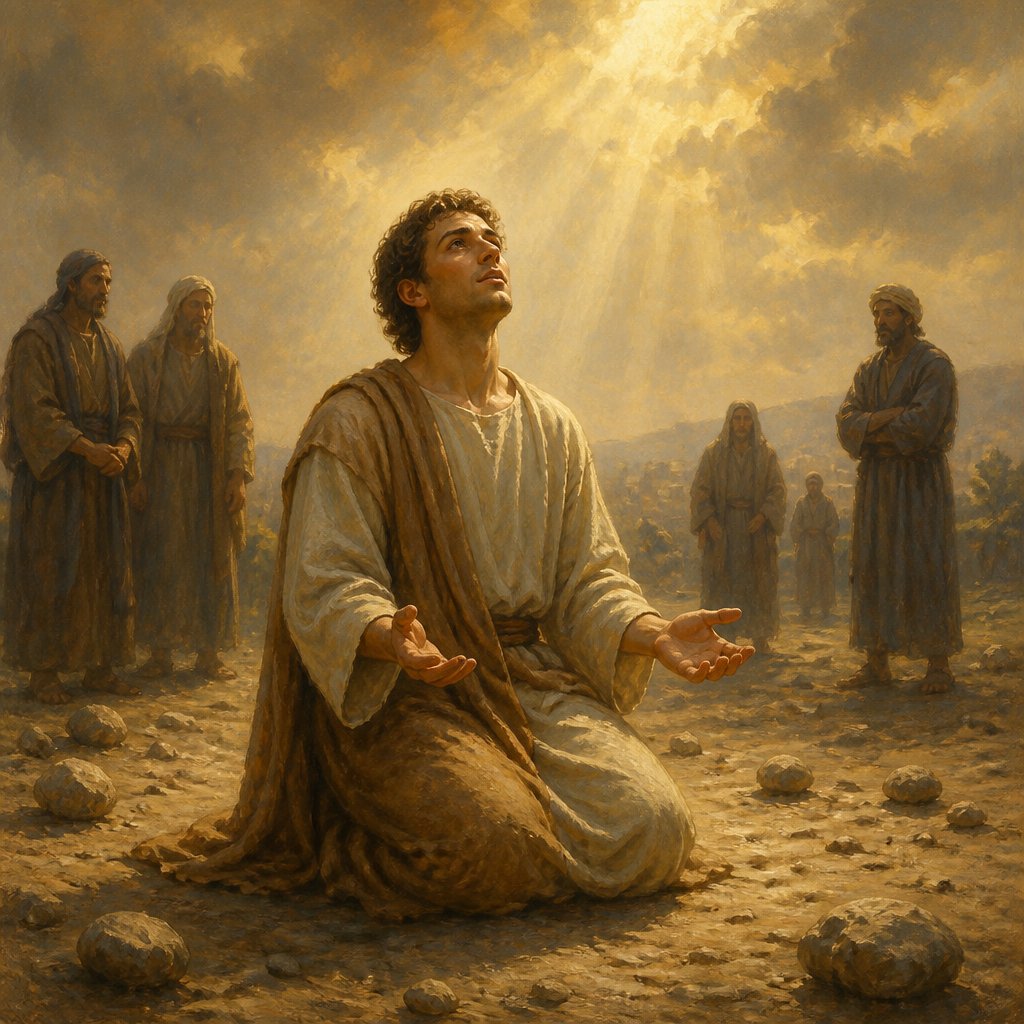
As we reflect on Acts 7:60, we encounter a moment of profound serenity amidst chaos. The verse from the King James Version (KJV) reads: "And he kneeled down, and cried with a loud voice, Lord, lay not this sin to their charge. And when he had said this, he fell asleep." This passage not only captures the final moments of Stephen, the first Christian martyr, but it also reveals the essence of Christian compassion and the powerful nature of forgiveness.
To understand the weight of what Stephen declared, we must explore the circumstances leading to this poignant plea. Stephen was brought before the Jewish council, accused of blasphemy against Moses and God. As the council listened to his defense, he recounted the history of their people, demonstrating how God's presence had always been with them, even when they turned away. Stephen’s sermon challenged their understanding of the law, calling them stiff-necked and resistant to the Holy Spirit, just as their fathers had been (Acts 7:51). This forthright confrontation stirred the crowd into a frenzied rage.
As the stones began to fly, Stephen fell to his knees—an act of humility and submission. It’s remarkable to note that in the midst of such hostility, his thoughts were not centered on himself or the pain he was enduring, but instead on the very souls that were executing him. He cried out, "Lord, lay not this sin to their charge." Here, we find the essence of Christian forgiveness, encapsulated in a moment of great suffering and imminent death.
Stephen's request echoes a theme deeply rooted in Jesus' own teachings. Even as He hung on the cross, bearing the weight of humanity's sins, He uttered similar words: "Father, forgive them; for they know not what they do" (Luke 23:34). This thematic connection leads us to ponder the challenge of forgiveness in our own lives. How often do we find ourselves in situations where we are wronged, feeling the weight of anger and resentment? Stephen teaches us that true forgiveness is not only releasing the offender's debt but doing so with a heart full of love and compassion.
The most striking aspect of this moment is that Stephen prayed for his persecutors, asking God to overlook their sin in the act of killing him. He understood that their actions stemmed from ignorance and spiritual blindness. Often, we encounter individuals who hurt us, perhaps through misunderstanding or their own struggles. In those moments, we can choose the path of Stephen—responding with grace rather than retaliation.
Forgiveness is a spiritual discipline; it's easy to proclaim but difficult to practice. It requires us to kneel—symbolically surrendering our grievances and anger to God. By kneeling, Stephen was not only submitting to God’s will but was also modeling a response to those who hurt him. This illustrates that our ability to forgive is directly tied to our communion with God. When we connect deeply with His love and mercy towards us, it becomes easier to extend that same grace to others.
Moreover, Stephen’s request comes with a powerful outcome. The finality of his statement, "And when he had said this, he fell asleep," reflects a peace that surpasses understanding (Philippians 4:7). He was not fearsome in death; instead, he transitioned into eternal life with calm assurance. His martyrdom did not go in vain; rather, it sparked a movement of the Gospel, inspiring the early church and convincing Saul, later known as Paul, who witnessed Stephen's death. This ripple effect reminds us that our reactions, even in our darkest hours, have the potential to influence others profoundly.
In conclusion, Acts 7:60 teaches us the liberating power of forgiveness. As we navigate challenges and face injustices, may we always remember to emulate Stephen's heart. Let us kneel in prayer and respond with love—laying down our burdens and seeking to forgive, just as we are forgiven. In death, Stephen found peace; in our forgiveness, we too shall find liberation, reflecting the heart of Christ to a world in desperate need of grace.
Get our apps


Artwork for Acts 7:60

Acts 7:60 - "And he kneeled down, and cried with a loud voice, Lord, lay not this sin to their charge. And when he had said this, he fell asleep."
"And he kneeled down, and cried with a loud voice, Lord, lay not this sin to their charge. And when he had said this, he fell asleep." - Acts 7:60

Acts 7:59-60 - "And they stoned Stephen, calling upon God, and saying, Lord Jesus, receive my spirit. And he kneeled down, and cried with a loud voice, Lord, lay not this sin to their charge. And when he had said this, he fell asleep."

Nehemiah 7:60 - "All the Nethinims, and the children of Solomon's servants, were three hundred ninety and two."
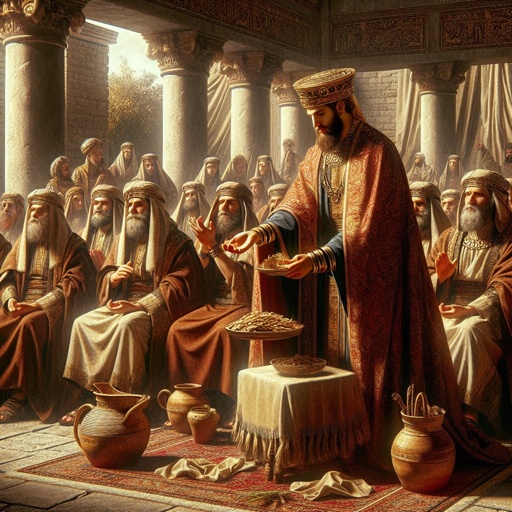
Numbers 7:60 - "¶ On the ninth day Abidan the son of Gideoni, prince of the children of Benjamin, offered:"

Psalms 60:7 - "Gilead is mine, and Manasseh is mine; Ephraim also is the strength of mine head; Judah is my lawgiver;"
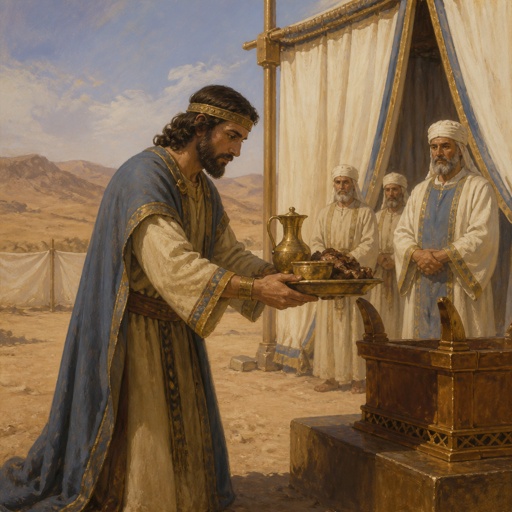
"¶ On the ninth day Abidan the son of Gideoni, prince of the children of Benjamin, offered:" - Numbers 7:60
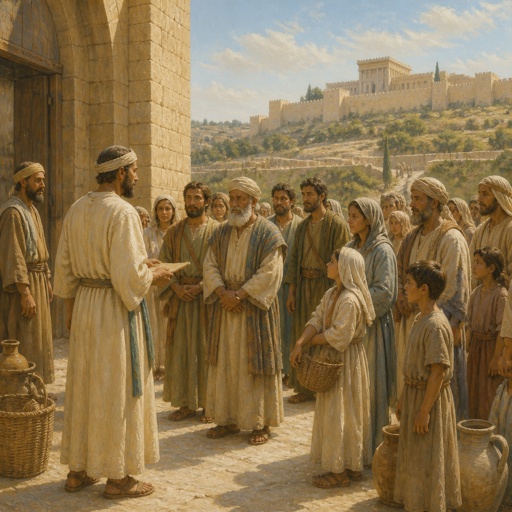
"All the Nethinims, and the children of Solomon's servants, were three hundred ninety and two." - Nehemiah 7:60
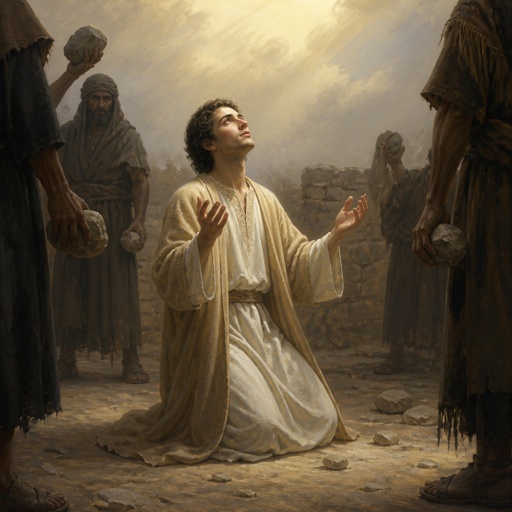
"And they stoned Stephen, calling upon God, and saying, Lord Jesus, receive my spirit. And he kneeled down, and cried with a loud voice, Lord, lay not this sin to their charge. And when he had said this, he fell asleep." - Acts 7:59-60

Isaiah 60:7 - "All the flocks of Kedar shall be gathered together unto thee, the rams of Nebaioth shall minister unto thee: they shall come up with acceptance on mine altar, and I will glorify the house of my glory."

Acts 3:6-7

Acts 3:6-7

Acts 3:6-7

Acts 3:6-7

Acts 3:6-7

"Gilead is mine, and Manasseh is mine; Ephraim also is the strength of mine head; Judah is my lawgiver;" - Psalms 60:7

Acts 14:7 - "And there they preached the gospel."

acts 20:7-12

Acts 7:47 - "But Solomon built him an house."

Acts 7:1 - "Then said the high priest, Are these things so?"

Acts 19:7 - "And all the men were about twelve."

"And there they preached the gospel." - Acts 14:7

Acts 7:50 - "Hath not my hand made all these things?"

Acts 7:7 - "And the nation to whom they shall be in bondage will I judge, said God: and after that shall they come forth, and serve me in this place."

Acts 7:18 - "Till another king arose, which knew not Joseph."

Acts 7:53 - "Who have received the law by the disposition of angels, and have not kept it."

Acts 7:9 - "And the patriarchs, moved with envy, sold Joseph into Egypt: but God was with him,"

Acts 7:22 - "And Moses was learned in all the wisdom of the Egyptians, and was mighty in words and in deeds."

Acts 7:28 - "Wilt thou kill me, as thou diddest the Egyptian yesterday?"

Acts 7:54 - "¶ When they heard these things, they were cut to the heart, and they gnashed on him with their teeth."