Dwelling in the Unseen: The Presence of the Most High
“Howbeit the most High dwelleth not in temples made with hands; as saith the prophet,” — Acts 7:48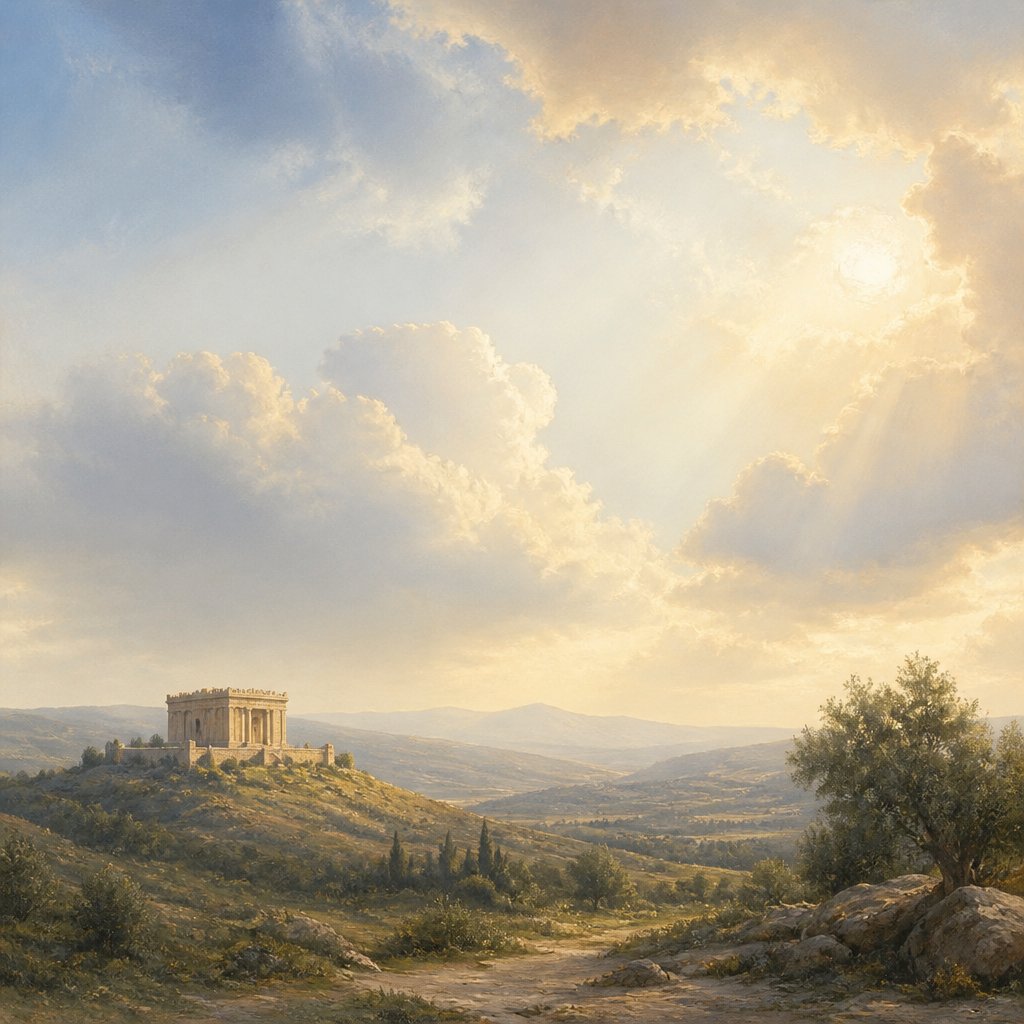
In Acts 7:48, we read, "Howbeit the most High dwelleth not in temples made with hands; as saith the prophet." This profound statement captures a truth that transcends physical spaces and speaks directly to the nature of God's presence in our lives. Throughout history, humans have built places to worship God, from the grand temples of Solomon to the modest chapels of today. Yet the Scripture reminds us that the Most High does not dwell in these man-made edifices. This invites us to reflect on what it truly means to be the dwelling place of God.
First, we must recognize that God is not confined to our ideas or structures. In the Old Testament, the tabernacle and then the temple in Jerusalem served as symbols of God’s presence among His people. These locations were significant for worship, sacrifice, and community but did not restrict God’s ability to work beyond those walls. As Stephen points out before the Sanhedrin, these physical manifestations of God’s presence were mere reflections of a more profound spiritual reality—one that cannot be encapsulated by physical buildings.
When we contemplate the idea that the Most High dwells not in temples made with hands, we are called to understand God's omnipresence. Psalm 139 reiterates this beautifully: "Whither shall I go from thy spirit? or whither shall I flee from thy presence?" (Psalm 139:7, KJV). This passage emphasizes that regardless of our location—whether in a grand church or a remote wilderness—God is ever-present. This realization can be both awe-inspiring and freeing, encouraging us to carry our faith beyond the walls of a church.
Moreover, this verse challenges us to think about how we, as individuals, can become temples of the Holy Spirit. 1 Corinthians 6:19 teaches that our bodies are the temples of the Holy Ghost. If God does not dwell in man-made structures, He desires to make His dwelling in us—transforming us into living testaments of His glory and grace. This should ignite a passion within us to cultivate our hearts and lives as places where His presence can flourish. How do we do this? Through prayer, worship, service, and obedience to His Word.
Understanding that we are His dwelling places means that our actions, thoughts, and behaviors should reflect His nature. The invitation is clear: instead of treating church attendance as mere obligation, we should see it as an opportunity to connect with the community of believers, encouraging one another as we share what it means to be a temple of the Holy Spirit. When we gather to worship, we’re not just filling a building; we are collectively expressing our hearts to the Creator, who desires intimacy with His creation.
Furthermore, we need to consider the implications of God’s absence from man-made temples in our quest for authenticity in worship. The American church faces a pressing need to move beyond superficial rituals and engage in a deeper, more genuine relationship with God. We must ask ourselves: Are our programs and services filled with His presence, or are they merely routines? God seeks authenticity over appearance. He desires hearts willing to extend beyond comfort zones and cultural expectations into true communion with Him.
Finally, let us lament the danger of putting more importance on church buildings and institutional religion while neglecting our personal relationship with God. In our modern context, where consumerism pervades even faith practices, we are often tempted to gauge our spirituality by the grandeur of our buildings or the eloquence of our services. Acts 7:48 prophetically shatters that illusion.
In conclusion, Acts 7:48 serves as both a warning and an invitation. It urges us to seek the presence of God not in grand cathedrals or well-structured worship services but in our hearts and everyday lives. May we create spaces within ourselves and our communities that reflect His love, truth, and grace and embody His presence in every interaction. Let us move forth as living temples of the Most High, fully aware that wherever we go, there He is with us.
Get our apps


Artwork for Acts 7:48

Acts 7:48 - "Howbeit the most High dwelleth not in temples made with hands; as saith the prophet,"
"Howbeit the most High dwelleth not in temples made with hands; as saith the prophet," - Acts 7:48

Acts 10:48 - "And he commanded them to be baptized in the name of the Lord. Then prayed they him to tarry certain days."

Acts 13:48 - "And when the Gentiles heard this, they were glad, and glorified the word of the Lord: and as many as were ordained to eternal life believed."

Nehemiah 7:48 - "The children of Lebana, the children of Hagaba, the children of Shalmai,"

John 7:48 - "Have any of the rulers or of the Pharisees believed on him?"

Psalms 48:7 - "Thou breakest the ships of Tarshish with an east wind."

Luke 7:48 - "And he said unto her, Thy sins are forgiven."

Numbers 7:48 - "¶ On the seventh day Elishama the son of Ammihud, prince of the children of Ephraim, offered:"

Ezekiel 48:7 - "And by the border of Reuben, from the east side unto the west side, a portion for Judah."
"Have any of the rulers or of the Pharisees believed on him?" - John 7:48
"The children of Lebana, the children of Hagaba, the children of Shalmai," - Nehemiah 7:48

"Thou breakest the ships of Tarshish with an east wind." - Psalms 48:7

1 Kings 7:48 - "And Solomon made all the vessels that pertained unto the house of the LORD: the altar of gold, and the table of gold, whereupon the shewbread was,"
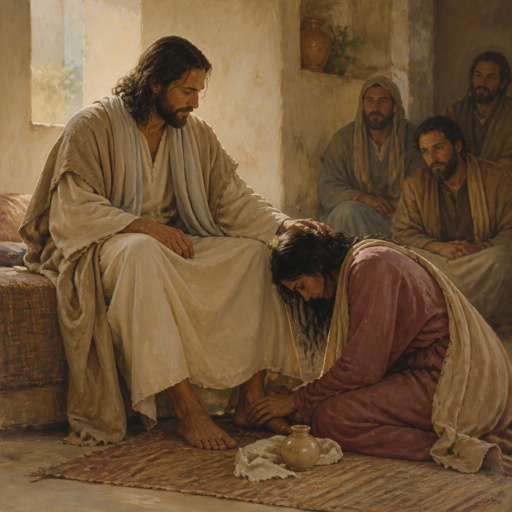
"And he said unto her, Thy sins are forgiven." - Luke 7:48
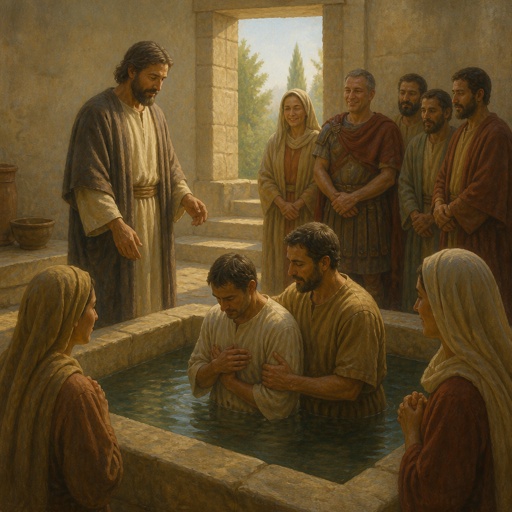
"And he commanded them to be baptized in the name of the Lord. Then prayed they him to tarry certain days." - Acts 10:48

Acts 3:6-7

Acts 3:6-7

Acts 3:6-7

Acts 3:6-7

Acts 3:6-7

Isaiah 48:7 - "They are created now, and not from the beginning; even before the day when thou heardest them not; lest thou shouldest say, Behold, I knew them."

Acts 14:7 - "And there they preached the gospel."

"¶ On the seventh day Elishama the son of Ammihud, prince of the children of Ephraim, offered:" - Numbers 7:48
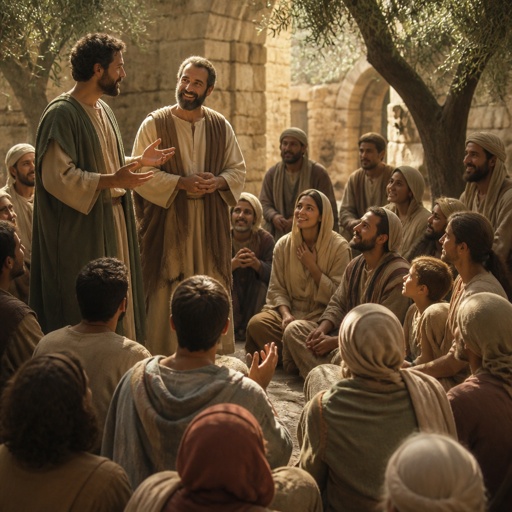
"And when the Gentiles heard this, they were glad, and glorified the word of the Lord: and as many as were ordained to eternal life believed." - Acts 13:48

acts 20:7-12
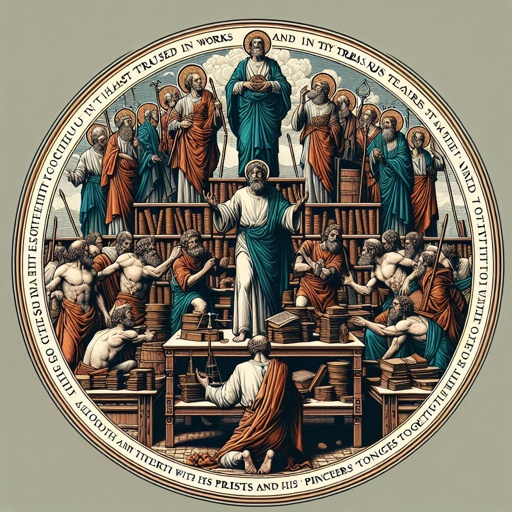
Jeremiah 48:7 - "¶ For because thou hast trusted in thy works and in thy treasures, thou shalt also be taken: and Chemosh shall go forth into captivity with his priests and his princes together."

Acts 7:47 - "But Solomon built him an house."
"And by the border of Reuben, from the east side unto the west side, a portion for Judah." - Ezekiel 48:7

Acts 7:1 - "Then said the high priest, Are these things so?"