What does Acts 7:48 mean?
“Howbeit the most High dwelleth not in temples made with hands; as saith the prophet,” — Acts 7:48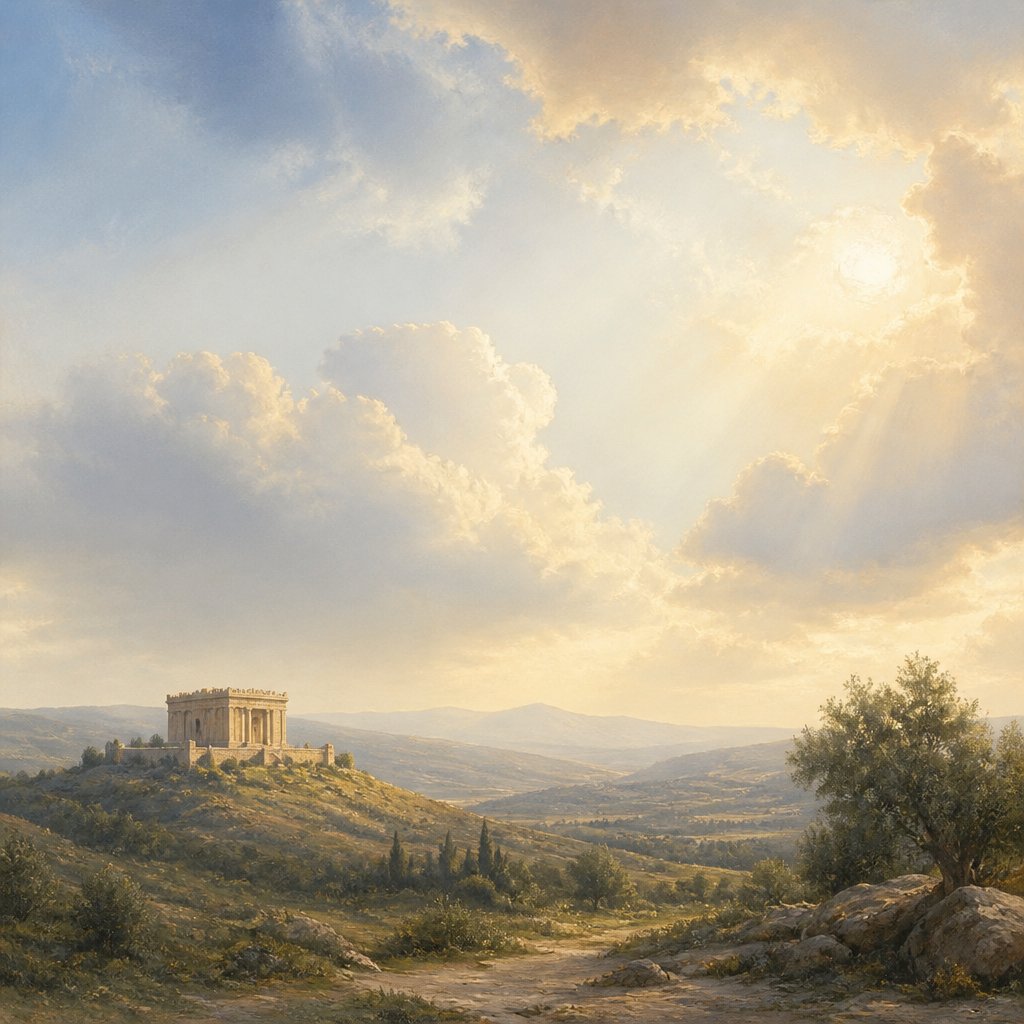
Acts 7:48 (KJV) reads, "Howbeit the most High dwelleth not in temples made with hands; as saith the prophet," This verse comes at a pivotal moment in the biblical narrative, as Stephen, one of the first Christian martyrs, is giving a stirring defense of his faith before the Jewish council. In this passage, Stephen is drawing on the teachings of the Old Testament, illustrating that God cannot be confined to a physical structure or temple.
The context of this verse lies in the turmoil and conflict between the early Christian community and the Jewish religious leaders. Stephen, a follower of Jesus, had been performing miracles and preaching the Gospel, which led to him being accused of blasphemy. In his defense, Stephen delivers a passionate speech recounting the history of the Jewish people and the ways in which they had rejected God's prophets and ultimately Jesus himself. He points out the Jews' tendency to rely on physical structures, such as the temple, and how this has led them to miss the true nature of God.
The theme of this verse centers around the transcendence and omnipresence of God. It emphasizes the idea that God cannot be contained or limited by human structures or institutions. This concept challenges the traditional, physical way of understanding and worshipping God, pointing instead to a more spiritual and universal understanding of the divine. It also highlights the idea that true worship and connection with God transcends physical spaces and requires a deeper, more personal relationship.
The reference to the prophet in this verse speaks to the Old Testament tradition of the prophets, who often spoke out against the idolatry and materialism of the people. The prophet Isaiah, for example, rebuked the Israelites for their insincere worship and emphasized the importance of righteousness and justice. By invoking the words of the prophets, Stephen is aligning himself with this tradition of calling the people back to the true nature of God and a genuine, heartfelt worship.
The symbolism in this verse lies in the contrast between the temporal and the eternal. The physical temple, while important in the Jewish faith, is presented as a symbol of human limitations and impermanence. In contrast, the most High, or God, is depicted as transcending these limitations and being present everywhere. This highlights the spiritual nature of the divine and the need for a deeper, more authentic connection with God.
Overall, Acts 7:48 (KJV) serves as a powerful reminder of the true nature of God and the folly of trying to confine the divine within human structures. It challenges believers to seek a deeper, more spiritual understanding of God and to move beyond ritual and tradition towards a more personal and authentic relationship with the divine. It also speaks to the universal nature of God, emphasizing that true worship transcends cultural and religious boundaries. By drawing on the teachings of the prophets, Stephen emphasizes the importance of staying true to the spiritual essence of faith and avoiding the pitfalls of materialism and idolatry.
Get our apps


Artwork for Acts 7:48

Acts 7:48 - "Howbeit the most High dwelleth not in temples made with hands; as saith the prophet,"
"Howbeit the most High dwelleth not in temples made with hands; as saith the prophet," - Acts 7:48

Acts 10:48 - "And he commanded them to be baptized in the name of the Lord. Then prayed they him to tarry certain days."

Acts 13:48 - "And when the Gentiles heard this, they were glad, and glorified the word of the Lord: and as many as were ordained to eternal life believed."

Nehemiah 7:48 - "The children of Lebana, the children of Hagaba, the children of Shalmai,"

John 7:48 - "Have any of the rulers or of the Pharisees believed on him?"

Psalms 48:7 - "Thou breakest the ships of Tarshish with an east wind."

Luke 7:48 - "And he said unto her, Thy sins are forgiven."

Numbers 7:48 - "¶ On the seventh day Elishama the son of Ammihud, prince of the children of Ephraim, offered:"

Ezekiel 48:7 - "And by the border of Reuben, from the east side unto the west side, a portion for Judah."
"Have any of the rulers or of the Pharisees believed on him?" - John 7:48
"The children of Lebana, the children of Hagaba, the children of Shalmai," - Nehemiah 7:48
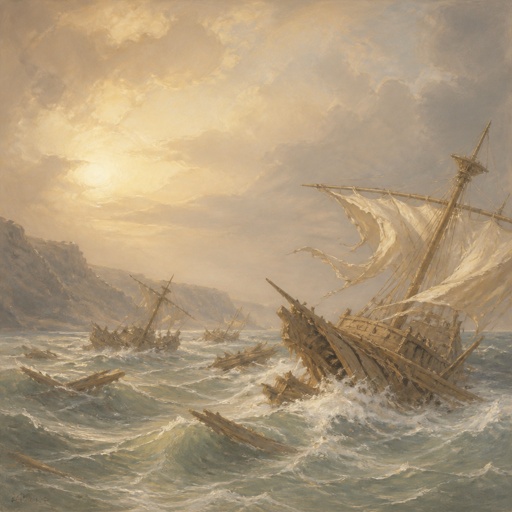
"Thou breakest the ships of Tarshish with an east wind." - Psalms 48:7

1 Kings 7:48 - "And Solomon made all the vessels that pertained unto the house of the LORD: the altar of gold, and the table of gold, whereupon the shewbread was,"
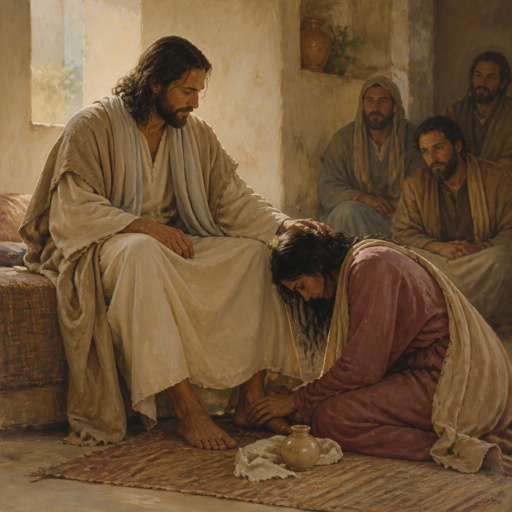
"And he said unto her, Thy sins are forgiven." - Luke 7:48
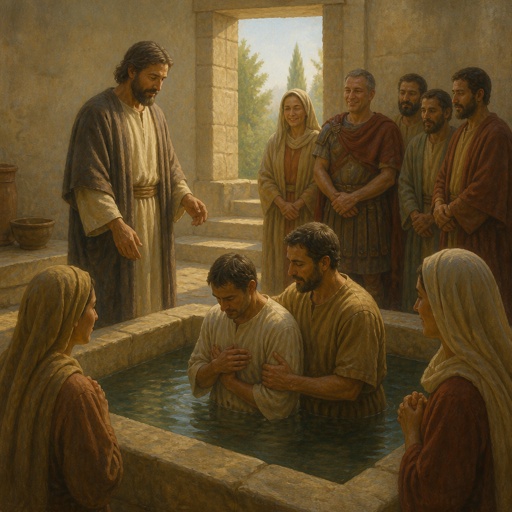
"And he commanded them to be baptized in the name of the Lord. Then prayed they him to tarry certain days." - Acts 10:48

Acts 3:6-7

Acts 3:6-7

Acts 3:6-7

Acts 3:6-7

Acts 3:6-7

Isaiah 48:7 - "They are created now, and not from the beginning; even before the day when thou heardest them not; lest thou shouldest say, Behold, I knew them."

Acts 14:7 - "And there they preached the gospel."

"¶ On the seventh day Elishama the son of Ammihud, prince of the children of Ephraim, offered:" - Numbers 7:48
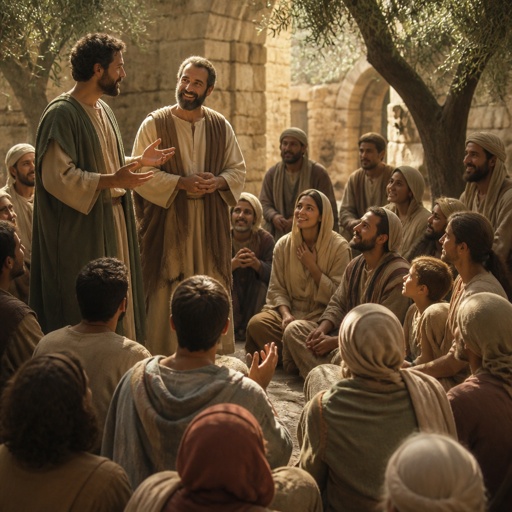
"And when the Gentiles heard this, they were glad, and glorified the word of the Lord: and as many as were ordained to eternal life believed." - Acts 13:48

acts 20:7-12
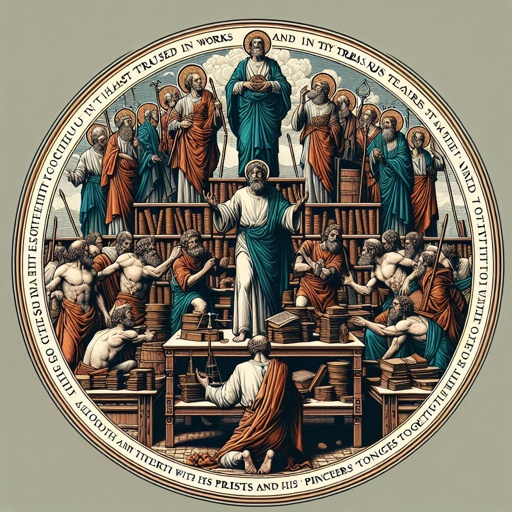
Jeremiah 48:7 - "¶ For because thou hast trusted in thy works and in thy treasures, thou shalt also be taken: and Chemosh shall go forth into captivity with his priests and his princes together."

Acts 7:47 - "But Solomon built him an house."
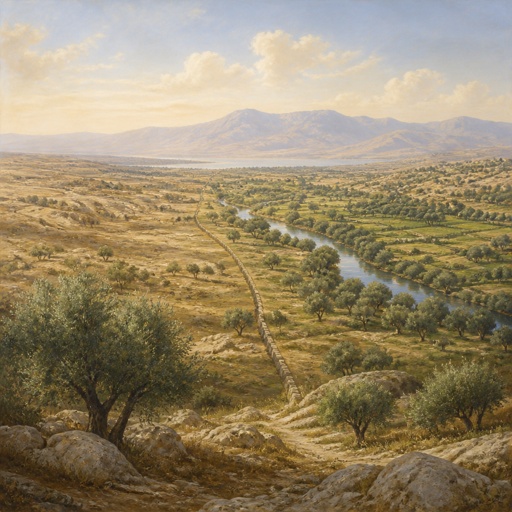
"And by the border of Reuben, from the east side unto the west side, a portion for Judah." - Ezekiel 48:7

Acts 7:1 - "Then said the high priest, Are these things so?"