The Unseen Path: Trusting God's Timing and Plan
“Now Sarai Abram’s wife bare him no children: and she had an handmaid, an Egyptian, whose name was Hagar.” — Genesis 16:1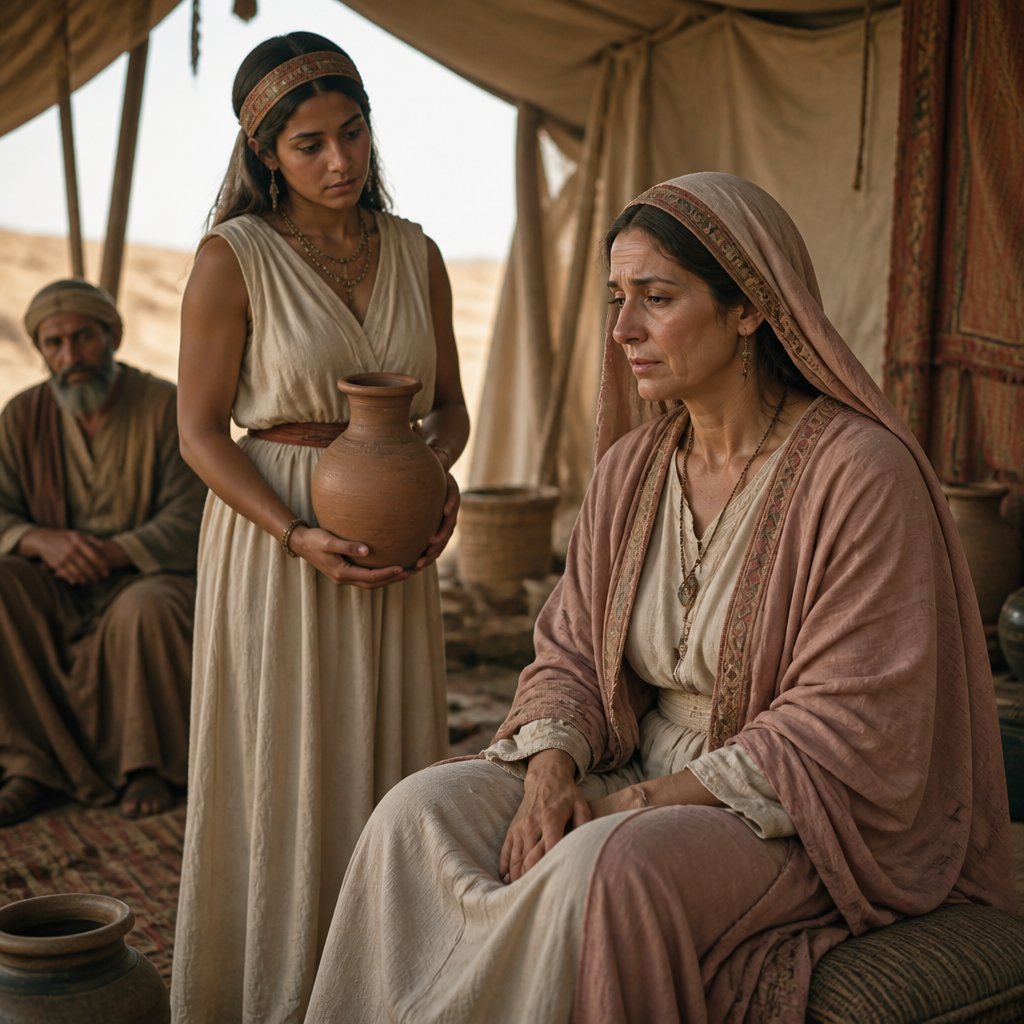
As we delve into Genesis 16:1, we encounter a pivotal moment in the life of Abram and Sarai, which reads: "Now Sarai Abram's wife bare him no children: and she had an handmaid, an Egyptian, whose name was Hagar." This verse introduces a significant challenge that many of us face in our own lives—the struggle with barrenness and unfulfilled promises.
In this instance, Sarai is presented as a woman of prestige and status; yet despite her wealth and place within society, she is deeply troubled by her inability to bear children. In the ancient Near East, lineage and progeny were viewed as a source of identity and blessing. To be childless was not merely a personal sorrow but a societal stigma. God had made a covenant with Abram, promising him descendants as numerous as the stars, but years had passed without a sign of this promise being fulfilled. Sarai's heart must have been heavy with anxiety, fear, and perhaps shame as the promise of God seemed to elude them.
Sarai's pain is not simply physical; it touches on the core of her identity and her role in her husband's legacy. As believers, we often face situations where God's promises seem distant or non-existent. We may feel barren in areas of our lives—whether in terms of spiritual growth, dreams, or relationships. In these times, the temptation can be to take matters into our own hands—just as Sarai did by offering Hagar as a means to fulfill what she believed was God’s promise. This moment acts as a cautionary tale about the danger of human intervention in God’s plans.
Now, let’s consider Sarai's decision to use Hagar as a surrogate. Sarai’s action reflected her desperation and impatience. It is a reminder that even the most faithful can falter in moments of distress. Instead of waiting on God’s timing, she sought a solution that aligned more with cultural customs rather than with what God had planned. This failure to wait led not only to personal strife but to wider ramifications that would be felt for generations. The conflict between the descendants of Hagar and those of Sarai would later culminate in ongoing familial strife—the very opposite of the peace and blessings Abram and Sarai were hoping to establish through God’s covenant.
As we reflect on Sarai's story, we can draw parallels to our lives. When we find ourselves in situations that seem barren or hopeless, we must ask ourselves: are we willing to trust in God’s timing? Are we prepared to wait on the Lord, even when it feels like He is silent? The Psalmist reminds us in Psalm 27:14 to "Wait on the Lord: be of good courage, and he shall strengthen thine heart: wait, I say, on the Lord." Waiting can be a challenging process, filled with uncertainties and doubts. However, it is often in these moments that our faith is tested and ultimately strengthened.
We also learn from Sarai that the repercussions of our actions can extend beyond ourselves. She did not consider how her decisions would affect Hagar, Abram, and the future generations to come. In our own lives, we are called to be mindful of the choices we make—not only for our sake but for the sake of others. Perhaps we should ask God to guide us and grant us the wisdom to act in ways that lead to His glory rather than our immediate desires.
In closing, Genesis 16:1 is not merely a historical account but a timeless lesson for us about patience, trust, and the dangers of trying to take control of God’s plan. Let us pray for the strength to wait on God's promises, to rely on His timing, and to acknowledge that while our paths may be unseen, His plan is always perfect. May we find comfort in knowing that God sees our struggles, hears our prayers, and, in His time, will fulfill His promises in ways that surpass our understanding.
Get our apps


Artwork for Genesis 16:1

Genesis 16:1

Genesis 16:1 - "Now Sarai Abram's wife bare him no children: and she had an handmaid, an Egyptian, whose name was Hagar."
"Now Sarai Abram's wife bare him no children: and she had an handmaid, an Egyptian, whose name was Hagar." - Genesis 16:1

Genesis 1:16

Genesis 3:16

Genesis 35:16-20

Genesis 29:16-35

Genesis 16:16

Genesis 1:16 - "And God made two great lights; the greater light to rule the day, and the lesser light to rule the night: he made the stars also."

Genesis 16:3

Genesis 16:14

Genesis 16:6

Genesis 16:2

Genesis 15:16

Genesis 18-16

Genesis 25-16

Genesis 16:8

Genesis 16:12

Genesis 17-16

Genesis 16:11

Genesis 16:4

Genesis 16:7

Genesis 20-16

Genesis 28-16

Genesis 16:5

Genesis 16:9

Genesis 23-16

Genesis 22-16

Genesis 16:15

Genesis 16:3