What does 1 Corinthians 3:6-7 mean?
“I have planted, Apollos watered; but God gave the increase. So then neither is he that planteth any thing, neither he that watereth; but God that giveth the increase.” — 1 Corinthians 3:6-7
1 Corinthians 3:6-7 (KJV) says, "I have planted, Apollos watered; but God gave the increase. So then neither is he that plants anything, neither he that waters; but God that gives the increase."
These verses are part of a larger passage in 1 Corinthians in which the apostle Paul addresses the issues of division and conflict within the Corinthian church. Here, Paul is using the metaphor of planting and watering to illustrate the role that he and Apollos, another prominent Christian leader, played in the spiritual growth of the Corinthian believers. The central theme of these verses is the sovereignty of God in the process of spiritual growth and the importance of humility and unity among believers.
The metaphor of planting and watering in these verses serves to illustrate the different roles that Paul and Apollos played in the spiritual development of the Corinthian church. Paul considers himself to be the one who initially planted the seeds of faith among the Corinthians, while Apollos later came along and watered those seeds by building upon the foundation that Paul had laid. This metaphor reflects the collaborative nature of Christian ministry and the concept of building upon the work of others in the advancement of God's kingdom.
The key point that Paul is making in these verses is that, while he and Apollos had played a role in nurturing the spiritual growth of the Corinthian believers, ultimately it was God who brought about the increase. Paul humbly acknowledges that neither he nor Apollos can take credit for the spiritual growth that was taking place in the Corinthian church. Instead, the credit belongs to God alone, who is the one who brings about the increase and enables the growth of faith within the believers.
These verses also serve as a reminder of the importance of humility and unity within the body of Christ. By emphasizing that neither the one who plants nor the one who waters is anything, Paul is highlighting the need for believers to recognize their dependence on God and to avoid boasting in their own efforts or accomplishments. He is calling the Corinthian believers to set aside their pride and selfish ambition and to instead focus on working together for the common goal of advancing God's kingdom.
In the broader context of 1 Corinthians, these verses are part of a larger discussion about the role of Christian leaders and the danger of division within the church. Paul is addressing the problem of the Corinthians aligning themselves with different leaders (like himself and Apollos) and forming factions within the church. He is urging them to see that all Christian leaders, including himself and Apollos, are ultimately servants of God who are working together for the same purpose. These verses serve as a rebuke to the Corinthians for their divisive behavior and a call for them to embrace humility and unity in their relationships with one another.
In addition to these themes of humility and unity, these verses also contain a powerful message about the sovereignty of God in the growth of faith. The imagery of planting and watering underscores the collaborative nature of Christian ministry, but ultimately it is God who brings about the increase and enables spiritual growth to take place. This serves as a reminder to believers that their efforts in sharing the gospel and nurturing the faith of others are ultimately dependent on the work of God, who is the one who brings about spiritual transformation.
In conclusion, 1 Corinthians 3:6-7 contains a rich and powerful message about humility, unity, and the sovereignty of God in the growth of faith. It serves as a reminder to believers of the importance of working together in harmony, recognizing their dependence on God, and giving him the glory for the spiritual growth that takes place within the church. These verses continue to offer timeless wisdom and guidance for Christians today as they seek to live out their faith in community with others.
Get our apps


Artwork for 1 Corinthians 3:6-7

1 Corinthians 3:6-7 - "I have planted, Apollos watered; but God gave the increase. So then neither is he that planteth anything, neither he that watereth; but God that giveth the increase."

"I have planted, Apollos watered; but God gave the increase. So then neither is he that planteth anything, neither he that watereth; but God that giveth the increase." - 1 Corinthians 3:6-7

1 Corinthians 3:6 - "I have planted, Apollos watered; but God gave the increase."

"I have planted, Apollos watered; but God gave the increase." - 1 Corinthians 3:6

1 Corinthians 7:6 - "But I speak this by permission, and not of commandment."
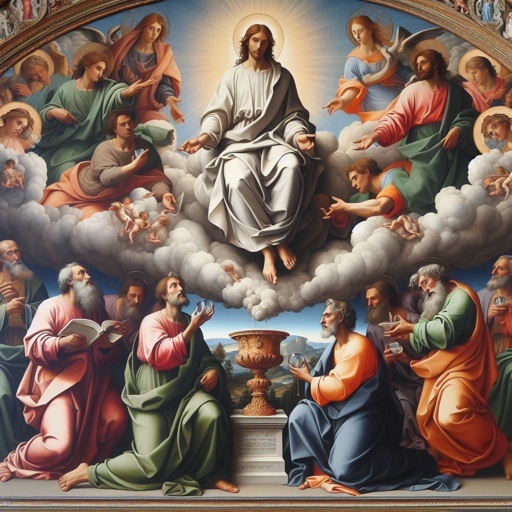
" Corinthians 3:6

2 Corinthians 3:6

2 Corinthians 3:6

"But I speak this by permission, and not of commandment." - 1 Corinthians 7:6

1 Corinthians 6:3 - "Know ye not that we shall judge angels? how much more things that pertain to this life?"

1 Corinthians 7:3 - "Let the husband render unto the wife due benevolence: and likewise also the wife unto the husband."

1 Corinthians 3:7 - "So then neither is he that planteth any thing, neither he that watereth; but God that giveth the increase."

Acts 3:6-7

Acts 3:6-7

Acts 3:6-7

Acts 3:6-7

Acts 3:6-7

Corinthians 9:6-7

2 Thessalonians 3:6-7

1 Corinthians 3:16

1 Corinthians 3:16

2 Corinthians 6:3 - "Giving no offence in any thing, that the ministry be not blamed:"

1 corinthians 3:16-17

1 Corinthians 13:4-6

1 Corinthians 13:4-6

1 Corinthians 13:4-6

1 Corinthians 13:4-6

1 Corinthians 13:4-6

1 Corinthians 13:4-6

1 Corinthians 13:4-6