What does Acts 24:6 mean?
“Who also hath gone about to profane the temple: whom we took, and would have judged according to our law.” — Acts 24:6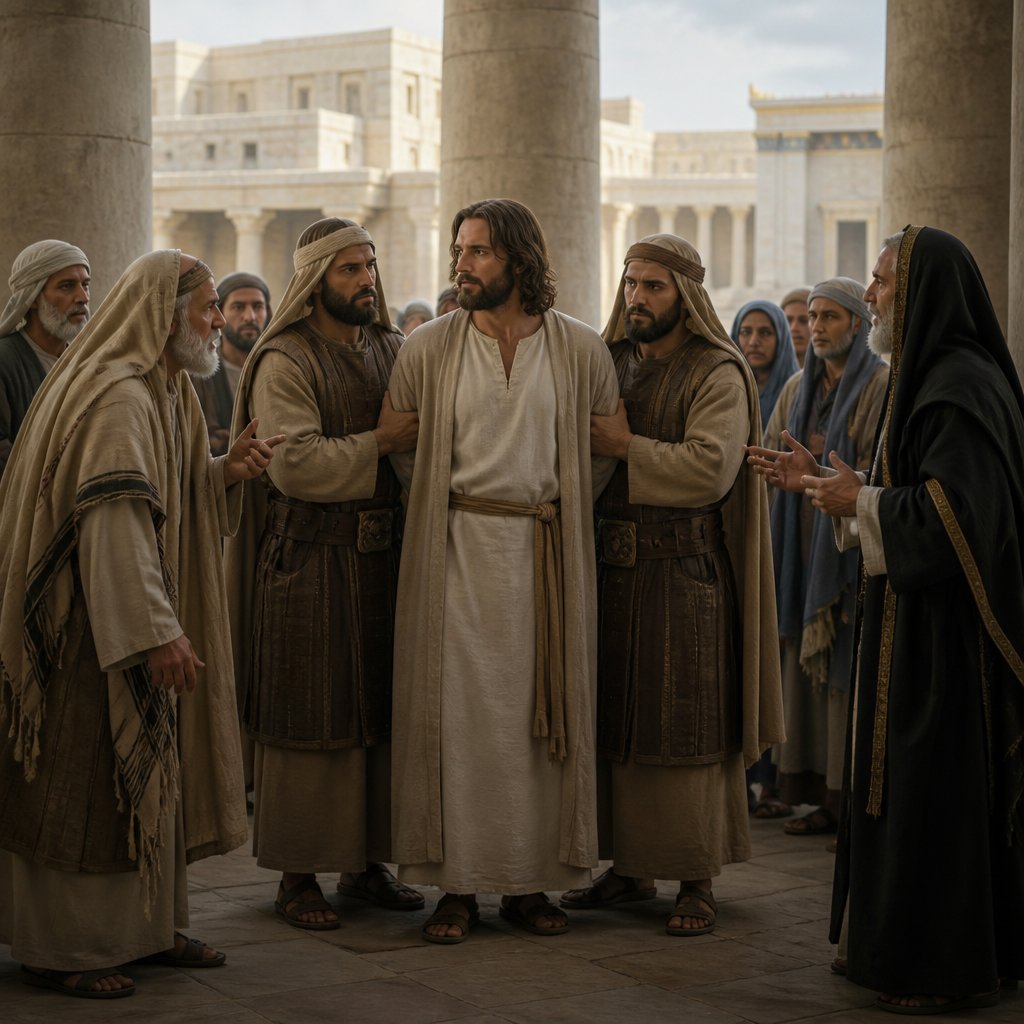
In Acts 24:6, the verse reads: "Who also hath gone about to profane the temple: whom we took, and would have judged according to our law."
This verse comes from the book of Acts in the New Testament and is part of a larger narrative about the apostle Paul's trial before Felix, the Roman governor. The Jewish leaders bring accusations against Paul, claiming that he is a troublemaker and has been stirring up dissension among the Jews. They accuse him of profaning the temple, which was a serious charge in Jewish law.
The context of this verse is important for understanding its meaning. Paul had been traveling and preaching the gospel throughout the region, which often led to conflict with the Jewish religious leaders. In this particular instance, Paul had been in Jerusalem and had been accused of bringing Gentiles into the temple, which was a violation of Jewish customs and traditions.
The verse speaks to the tension between Paul and the Jewish authorities, as well as the broader conflict between Christianity and Judaism at the time. It highlights the accusation against Paul and sets the stage for his defense before Felix.
The themes present in this verse include religious persecution, the clash of religious traditions, and the struggle for justice. The accusation against Paul is a reflection of the persecution faced by early Christians as they sought to spread their message in a hostile environment. It also speaks to the broader theme of religious conflict and the challenges faced by those who seek to live out their faith in the face of opposition.
The reference to the temple as a sacred space is significant in understanding the symbolism in this verse. The temple was the focal point of Jewish religious life and was considered a holy place where God's presence dwelled. The accusation that Paul had profaned the temple carries deep religious and cultural significance, as it was seen as a desecration of something sacred.
The verse also speaks to the issue of justice and the rule of law. The Jewish leaders wanted to judge Paul according to their own law, but they were seeking the intervention of the Roman authorities to do so. This reflects the complex political and legal dynamics at play in first-century Judea, where competing systems of law and authority were in conflict.
In terms of its broader significance, this verse is part of the larger narrative of the early Christian church and its struggle for survival and legitimacy in a hostile world. It speaks to the challenges and conflicts faced by the early Christians as they sought to navigate the complexities of religion, culture, and politics.
In conclusion, Acts 24:6 is a verse that reflects the religious and cultural tensions of its time. It speaks to the persecution faced by early Christians, the clash of religious traditions, and the struggle for justice. It also carries deep symbolism in its reference to the temple as a sacred space. As part of the larger narrative of the book of Acts, this verse offers insights into the challenges faced by the early Christian church and the complexities of living out one's faith in a hostile world.
Get our apps


Artwork for Acts 24:6

Acts 24:6 - "Who also hath gone about to profane the temple: whom we took, and would have judged according to our law."
"Who also hath gone about to profane the temple: whom we took, and would have judged according to our law." - Acts 24:6

Acts 12:24 - "¶ But the word of God grew and multiplied."

Acts 24:9 - "And the Jews also assented, saying that these things were so."

Acts 3:6-7

Acts 3:6-7

Acts 14:24 - "And after they had passed throughout Pisidia, they came to Pamphylia."

Acts 3:6-7

Acts 3:6-7

Acts 3:6-7

Acts 24:13 - "Neither can they prove the things whereof they now accuse me."

Acts 28:24 - "And some believed the things which were spoken, and some believed not."

Acts 24:24 - "And after certain days, when Felix came with his wife Drusilla, which was a Jewess, he sent for Paul, and heard him concerning the faith in Christ."

"¶ But the word of God grew and multiplied." - Acts 12:24

Acts 6:6 - "Whom they set before the apostles: and when they had prayed, they laid their hands on them."

Acts 9:24 - "But their laying await was known of Saul. And they watched the gates day and night to kill him."

Acts 24:3 - "We accept it always, and in all places, most noble Felix, with all thankfulness."

Matthew 6:24

Matthew 6:24

Matthew 6:24

Acts 24:17 - "Now after many years I came to bring alms to my nation, and offerings."

Matthew 6:24

Genesis 24-6

Acts 21:5-6

Acts 23:24 - "And provide them beasts, that they may set Paul on, and bring him safe unto Felix the governor."

Acts 16:24 - "Who, having received such a charge, thrust them into the inner prison, and made their feet fast in the stocks."

Acts 11:24 - "For he was a good man, and full of the Holy Ghost and of faith: and much people was added unto the Lord."

Acts 24:19 - "Who ought to have been here before thee, and object, if they had ought against me."

Acts 18:24 - "¶ And a certain Jew named Apollos, born at Alexandria, an eloquent man, and mighty in the scriptures, came to Ephesus."

2 Kings 24:5 - "¶ Now the rest of the acts of Jehoiakim, and all that he did, are they not written in the book of the chronicles of the kings of Judah?"