What does Acts 27:7 mean?
“And when we had sailed slowly many days, and scarce were come over against Cnidus, the wind not suffering us, we sailed under Crete, over against Salmone;” — Acts 27:7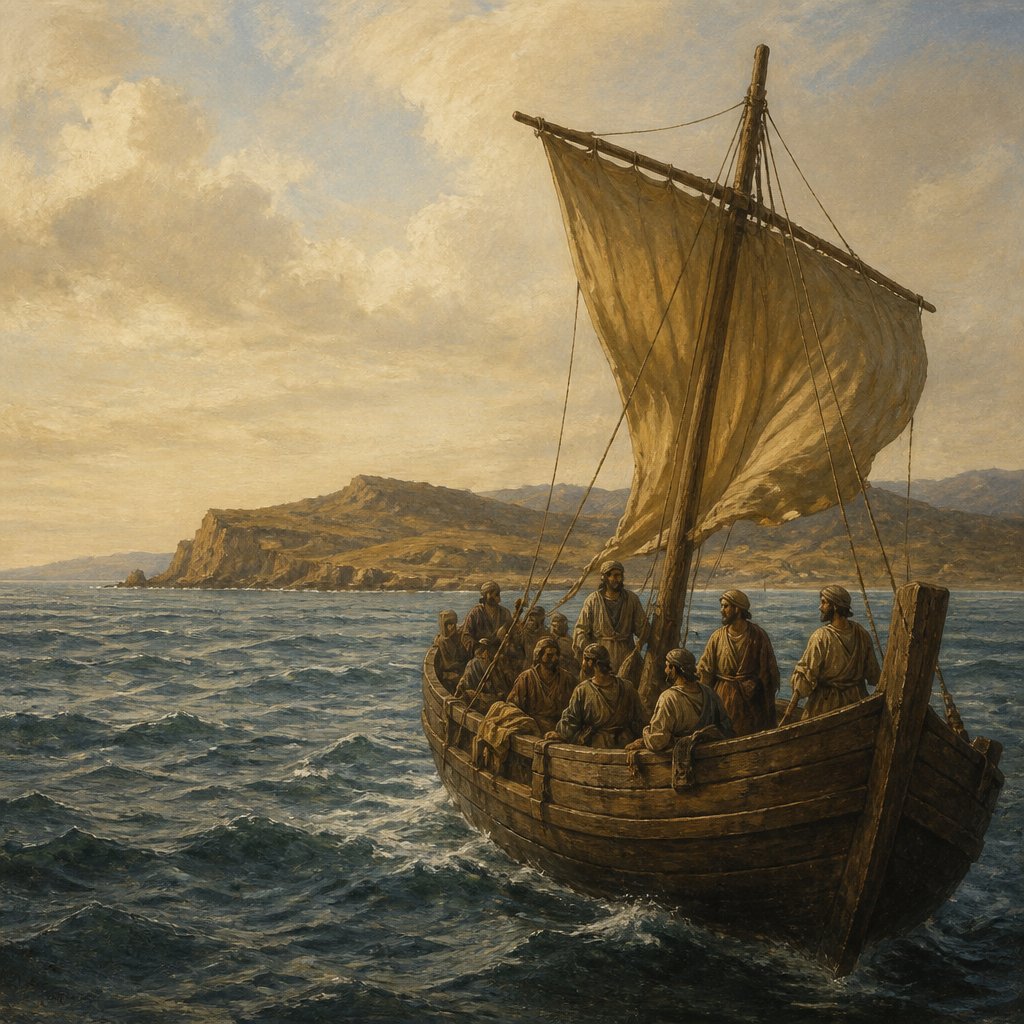
Acts 27:7 in the King James Version of the Bible reads, "And when we had sailed slowly many days, and scarce were come over against Cnidus, the wind not suffering us, we sailed under Crete, over against Salmone."
This verse comes from the book of Acts, which is the fifth book of the New Testament. The book of Acts, also known as the Acts of the Apostles, was written by Luke, the same author who penned the Gospel of Luke. The book of Acts chronicles the spread of Christianity after the death and resurrection of Jesus Christ, focusing primarily on the actions of the apostles and the early church.
In Acts 27, we find Paul embarking on a perilous sea voyage to Rome, where he is to stand trial before Caesar. The journey is fraught with challenges, including inclement weather, shipwreck, and the threat of death. Acts 27:7 occurs as the ship in which Paul is sailing makes its way from the port of Fair Havens, on the island of Crete, towards Rome.
The verse describes the difficult and slow progress of the ship as it struggles against the wind. The wind is described as "not suffering us", indicating that it is not allowing the ship to advance in the desired direction. Consequently, the sailors decide to sail under the island of Crete, seeking a more sheltered route to their destination.
The themes present in this verse include the idea of perseverance in the face of adversity, the sovereignty of God, and the notion of being guided by forces beyond our control. The struggles faced by the sailors can be seen as a metaphor for the trials and tribulations that individuals encounter in their spiritual and physical journeys. The idea that the wind was "not suffering us" suggests a lack of agency on the part of the sailors, highlighting the uncertainty of human endeavors and the need for divine intervention.
The context of this verse is particularly significant, as it offers insight into Paul's journey to Rome and the challenges he and his companions faced along the way. The entirety of Acts 27 is a compelling story of perseverance, faith, and divine protection. Despite the numerous setbacks and dangers they encounter, Paul and his fellow travelers remain resolute in their belief that God is with them, ultimately leading to their safety and deliverance.
In terms of symbolism, the wind in this verse can be interpreted as a representation of external forces that hinder or obstruct one's path. It serves as a reminder that, despite our best efforts and intentions, there are elements beyond our control that can impede our progress. However, the decision to sail under Crete reflects a strategic and adaptive response to adversity, suggesting the value of adjusting one's course in the face of obstacles.
Overall, Acts 27:7 offers a rich and multifaceted commentary on the human experience, the challenges of life's journey, and the need for faith and perseverance in times of trial. It reminds us that, even in the midst of adversity, we can find strength and guidance in the knowledge that we are not alone, and that forces beyond our understanding are at work in our lives.
Get our apps


Artwork for Acts 27:7

Acts 27:7 - "And when we had sailed slowly many days, and scarce were come over against Cnidus, the wind not suffering us, we sailed under Crete, over against Salmone;"
"And when we had sailed slowly many days, and scarce were come over against Cnidus, the wind not suffering us, we sailed under Crete, over against Salmone;" - Acts 27:7

2 Chronicles 27:7 - "¶ Now the rest of the acts of Jotham, and all his wars, and his ways, lo, they are written in the book of the kings of Israel and Judah."

Acts 7:27 - "But he that did his neighbour wrong thrust him away, saying, Who made thee a ruler and a judge over us?"

Acts 17:27

Acts 27:26 - "Howbeit we must be cast upon a certain island."

Acts 27:27 - "But when the fourteenth night was come, as we were driven up and down in Adria, about midnight the shipmen deemed that they drew near to some country;"
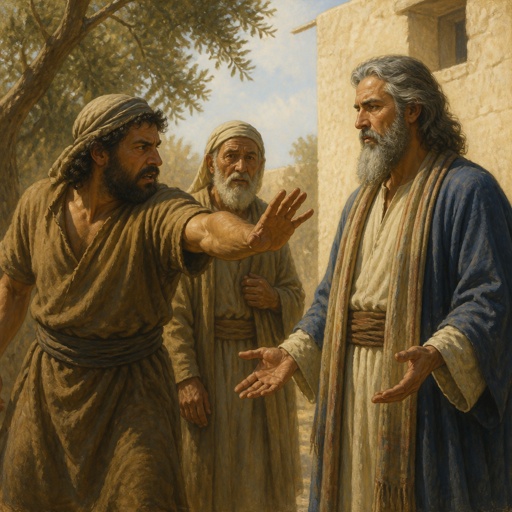
"But he that did his neighbour wrong thrust him away, saying, Who made thee a ruler and a judge over us?" - Acts 7:27
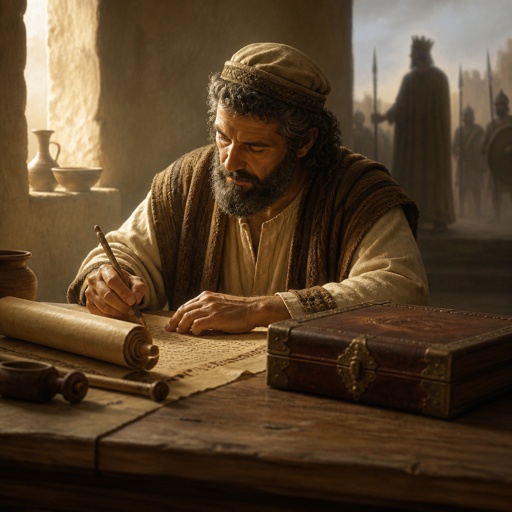
"¶ Now the rest of the acts of Jotham, and all his wars, and his ways, lo, they are written in the book of the kings of Israel and Judah." - 2 Chronicles 27:7

Acts 11:27 - "¶ And in these days came prophets from Jerusalem unto Antioch."

Acts 27:14 - "But not long after there arose against it a tempestuous wind, called Euroclydon."

Acts 27:36 - "Then were they all of good cheer, and they also took some meat."

Acts 27:32 - "Then the soldiers cut off the ropes of the boat, and let her fall off."

Acts 27:18 - "And we being exceedingly tossed with a tempest, the next day they lightened the ship;"

Acts 27:37 - "And we were in all in the ship two hundred threescore and sixteen souls."

Acts 20:27 - "For I have not shunned to declare unto you all the counsel of God."

Acts 26:27 - "King Agrippa, believest thou the prophets? I know that thou believest."

Acts 3:6-7

Acts 3:6-7

Acts 3:6-7

Acts 3:6-7

Acts 3:6-7

Acts 27:19 - "And the third day we cast out with our own hands the tackling of the ship."

Acts 27:38 - "And when they had eaten enough, they lightened the ship, and cast out the wheat into the sea."
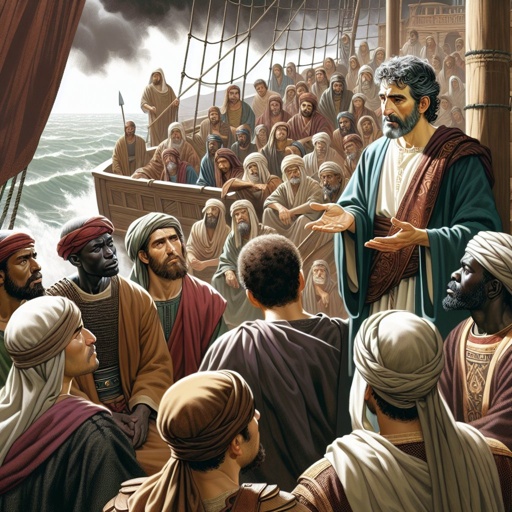
Acts 27:31 - "Paul said to the centurion and to the soldiers, Except these abide in the ship, ye cannot be saved."

Acts 10:27 - "And as he talked with him, he went in, and found many that were come together."

Acts 27:6 - "And there the centurion found a ship of Alexandria sailing into Italy; and he put us therein."

Acts 27:23 - "For there stood by me this night the angel of God, whose I am, and whom I serve,"

Acts 27:42 - "And the soldiers' counsel was to kill the prisoners, lest any of them should swim out, and escape."

Acts 25:27 - "For it seemeth to me unreasonable to send a prisoner, and not withal to signify the crimes laid against him."