What does Acts 3:2 mean?
“And a certain man lame from his mother’s womb was carried, whom they laid daily at the gate of the temple which is called Beautiful, to ask alms of them that entered into the temple;” — Acts 3:2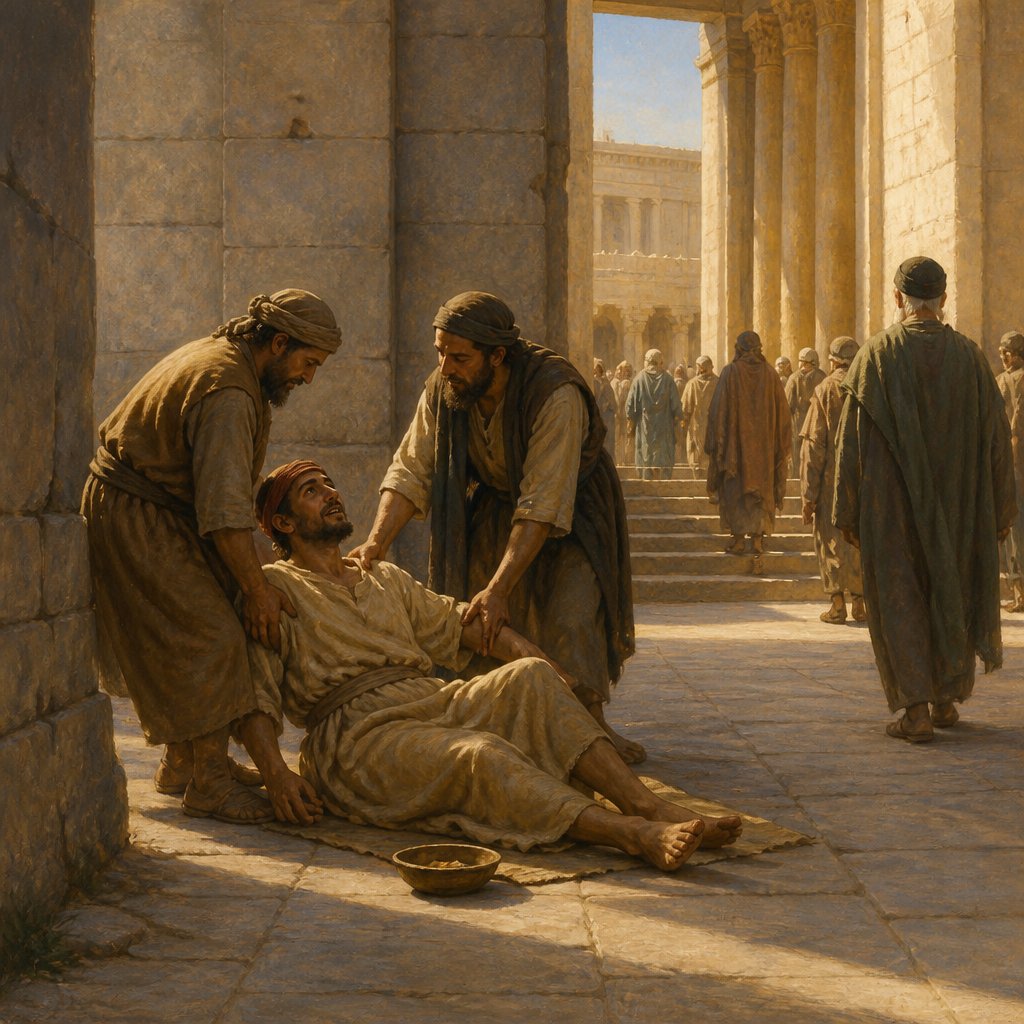
The verse Acts 3:2 from the King James Version (KJV) of the Bible reads:
"And a certain man lame from his mother's womb was carried, whom they laid daily at the gate of the temple which is called Beautiful, to ask alms of them that entered into the temple;"
This verse is a part of the larger narrative found in the book of Acts, which chronicles the early beginnings of the Christian church after the death and resurrection of Jesus Christ. In this particular passage, we are introduced to a specific individual, a man who had been lame from birth. The man's condition had left him unable to walk, and as a result, he was carried by others to the gate of the temple called Beautiful. There, he would regularly beg for money from those who were entering the temple.
The physical condition of the man is the first striking aspect of this verse. The fact that he had been lame from birth highlights his vulnerability and the limitations he faced on a daily basis. Furthermore, the fact that he had to rely on others to carry him to the temple gate underscores his dependence on the goodwill of others for his basic needs. This man's predicament serves as a poignant reminder of the struggles and difficulties faced by those with physical disabilities, as well as the societal attitudes and responses towards individuals in such circumstances.
The location where the man is placed is also significant. The reference to the gate of the temple called Beautiful holds symbolic importance. In the Jewish tradition, the temple was regarded as a sacred and revered place of worship, and the Beautiful Gate would have been an entrance of great significance. By positioning the disabled man at this particular location, the passage highlights the contrast between the grandeur and holiness of the temple and the daily struggles and hardships faced by the man. It underscores the disparity between the religious institution and the lived experiences of the marginalized and vulnerable in society.
The act of begging also carries symbolic weight in this verse. The man's need to ask for alms from those entering the temple reflects the economic disparities and inequalities present in society at that time. It speaks to the unequal distribution of wealth and resources, as well as the reliance of the less fortunate on the charitable giving of others. Additionally, the act of begging serves as a reminder of the compassion and generosity that is called for in the face of such need and suffering.
In a broader sense, the verse can be seen as a reflection on the themes of compassion, charity, and the treatment of the marginalized within society. It prompts reflection on the ethical responsibilities of individuals and communities towards those in need, and the ways in which society can and should respond to the plight of the less fortunate. It also speaks to the larger message of inclusion and justice that is found throughout the Bible, particularly in relation to the treatment of the vulnerable and marginalized.
The subsequent verses in Acts 3 go on to describe the encounter between the disabled man and the Apostle Peter, who ultimately heals the man in a powerful display of faith and divine intervention. This miraculous healing serves as a further testament to the themes of compassion and the transformative power of faith and acts of kindness.
In conclusion, Acts 3:2 from the King James Version of the Bible offers a profound and multilayered reflection on the experiences of the marginalized and vulnerable in society, as well as the ethical imperatives of compassion and charity. It serves as a poignant reminder of the call to care for and uplift those in need, and the transformative power of faith and acts of kindness in the face of adversity.
Get our apps


Artwork for Acts 3:2

Acts 3:2 - "And a certain man lame from his mother's womb was carried, whom they laid daily at the gate of the temple which is called Beautiful, to ask alms of them that entered into the temple;"
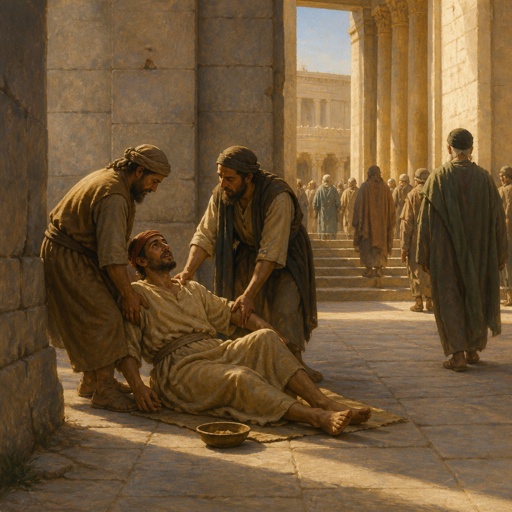
"And a certain man lame from his mother's womb was carried, whom they laid daily at the gate of the temple which is called Beautiful, to ask alms of them that entered into the temple;" - Acts 3:2

Acts 2:2-3

Acts 2:2-3

Acts 2:3

Acts 2:3 - "And there appeared unto them cloven tongues like as of fire, and it sat upon each of them."

Acts 2;2-3

"And there appeared unto them cloven tongues like as of fire, and it sat upon each of them." - Acts 2:3

Acts 3:16

Acts 3:16

Acts 3:16

Acts 3:16

Acts 3:6-7

Acts 3:6-7

Acts 3:6-7

Acts 3:6-7

Acts 3:6-7

acts 3 11

Acts 2:2

Acts 2:2

Acts 3:3 - "Who seeing Peter and John about to go into the temple asked an alms."
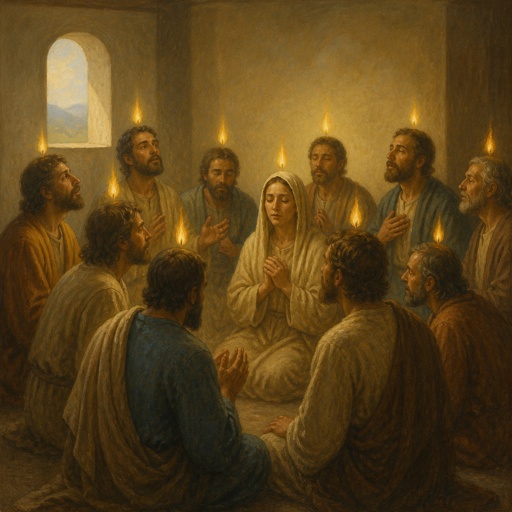
"And there appeared unto them cloven tongues like as of fire, and it sat upon each of them." - Acts 2:3
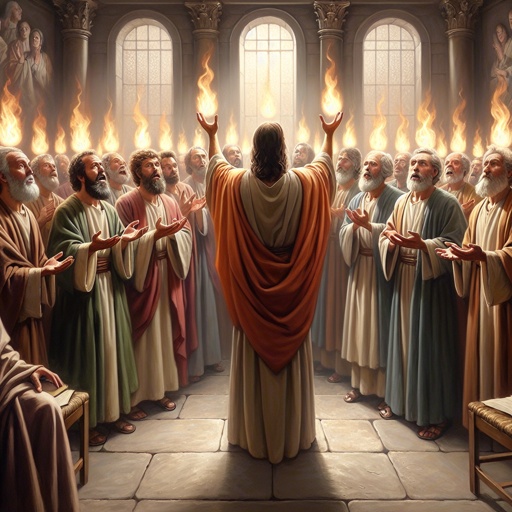
acts 2:3 twelve apostles in first century room with small tongues of fire over their heads, hands raised in praise—others in the room but without any fire on them.

Acts 2:17

Acts 2:17

Acts 2:4

Acts 2:17

2 Kings 3:2 - "And he wrought evil in the sight of the LORD; but not like his father, and like his mother: for he put away the image of Baal that his father had made."

Acts 17:2-3 - "As was his custom, Paul went into the synagogue, and on three Sabbath days he reasoned with them from the Scriptures, explaining and proving that the Messiah had to suffer and rise from the dead. "This Jesus I am proclaiming to you is the Messiah," he said."

Acts 3:9 - "And all the people saw him walking and praising God:"