What does Acts 7:12 mean?
“But when Jacob heard that there was corn in Egypt, he sent out our fathers first.” — Acts 7:12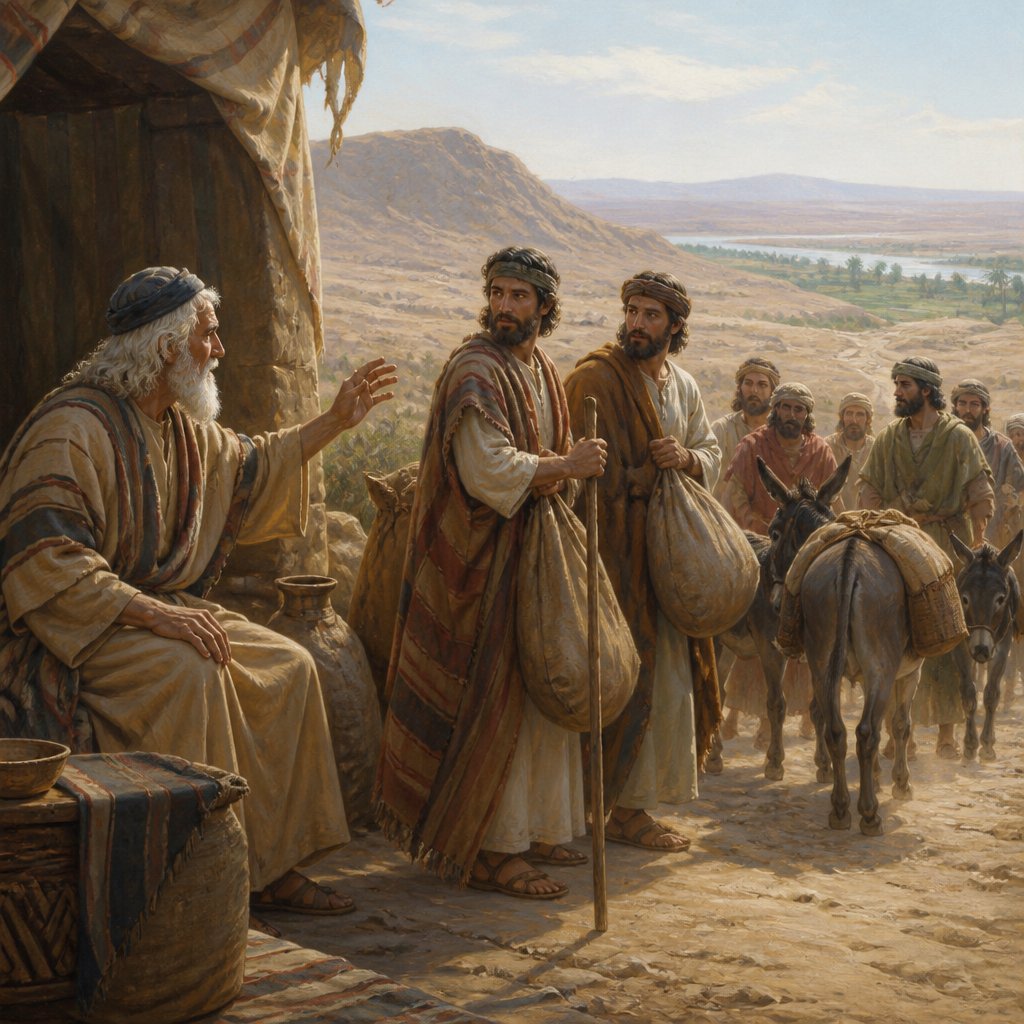
The Bible verse Acts 7:12 from the King James Version (KJV) reads: "But when Jacob heard that there was corn in Egypt, he sent out our fathers first."
This verse is part of a speech given by Stephen, who was the first Christian martyr, before the Sanhedrin. In this speech, Stephen is defending himself against charges of blasphemy, and he is recounting the history of the people of Israel. He points out that their ancestors sought food in Egypt during a time of famine, which eventually led to the enslavement of the Israelites.
To fully understand the meaning and significance of Acts 7:12, it is important to delve into the themes, context, and symbolism present in this verse.
One of the main themes in this verse is the theme of providence. The reference to Jacob hearing about the corn in Egypt highlights the idea that God provided for the needs of His people even in the midst of a famine. It shows that God's hand was at work in the lives of the patriarchs, guiding them to Egypt where they would ultimately find salvation from the famine. This theme of God's providence is a recurring motif throughout the Bible, emphasizing the belief that God is actively involved in the lives of His people, providing for their needs and guiding them through difficult circumstances.
Another important theme in this verse is the idea of God's faithfulness to His promises. The mention of Jacob, who was also known as Israel, serves as a reminder of God's covenant with the Israelites. The patriarchs, including Jacob, were the recipients of God's promises, and their journey to Egypt was a part of God's plan to fulfill those promises. This theme emphasizes the unchanging nature of God and His commitment to His chosen people, despite the trials and tribulations they faced.
In the context of Acts 7, Stephen is using this verse to demonstrate the historical pattern of the Israelites relying on God's provision and faithfulness. He is showing that God had been at work in the lives of His people from the very beginning, fulfilling His promises and providing for their needs. This serves as a foundation for Stephen's argument that Jesus is the fulfillment of God's promises and the continuation of God's faithfulness to His people.
Symbolically, the reference to Egypt in this verse holds significance as well. Egypt was a place of both blessing and bondage for the Israelites. It was a place where they found food and salvation from famine, but it was also the place where they were eventually enslaved. This duality serves as a symbol of the tension between the temporal blessings of the world and the spiritual bondage that can result from reliance on worldly provisions. It also serves as a foreshadowing of the Israelites' eventual deliverance from bondage through the Exodus, which is a powerful symbol of God's liberation and redemption.
In conclusion, Acts 7:12 from the KJV carries rich themes of providence, God's faithfulness, and the symbolic significance of Egypt in the context of the Israelites' history. It serves as a reminder of God's active involvement in the lives of His people, as well as a foreshadowing of the ultimate deliverance and redemption that God provides. Its placement within Stephen's speech reinforces the continuity of God's plan and His faithfulness throughout history, ultimately pointing to the fulfillment of His promises in Jesus Christ.
Get our apps


Artwork for Acts 7:12
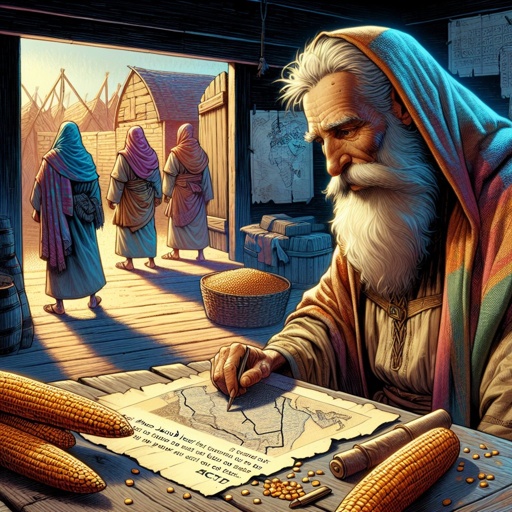
Acts 7:12 - "But when Jacob heard that there was corn in Egypt, he sent out our fathers first."
"But when Jacob heard that there was corn in Egypt, he sent out our fathers first." - Acts 7:12

acts 20:7-12
!["And, behold, the angel of the Lord came upon [him], and a light shined in the prison: and he smote Peter on the side, and raised him up, saying, Arise up quickly. And his chains fell off from [his] hands." - Acts 12:7](https://media.bible.art/1f5d2caa-854e-4d42-b8fc-bb2ce298177e-thumbnail.jpg)
"And, behold, the angel of the Lord came upon [him], and a light shined in the prison: and he smote Peter on the side, and raised him up, saying, Arise up quickly. And his chains fell off from [his] hands." - Acts 12:7

1 Samuel 12:7 - "Now therefore stand still, that I may reason with you before the LORD of all the righteous acts of the LORD, which he did to you and to your fathers."

Acts 12:7 - "And, behold, the angel of the Lord came upon him, and a light shined in the prison: and he smote Peter on the side, and raised him up, saying, Arise up quickly. And his chains fell off from his hands."

Acts 18:12

Acts 28:12

Acts 18:12

Acts 3:6-7

Acts 3:6-7

Acts 3:6-7

Acts 3:6-7

Acts 3:6-7

Acts 4:8-12

Acts 14:7 - "And there they preached the gospel."

Acts 12:24 - "¶ But the word of God grew and multiplied."

Acts 7:47 - "But Solomon built him an house."

Acts 12:2 - "And he killed James the brother of John with the sword."

Acts 28:12 - "And landing at Syracuse, we tarried there three days."

Acts 7:1 - "Then said the high priest, Are these things so?"

Acts 19:7 - "And all the men were about twelve."

Acts 12:22 - "And the people gave a shout, saying, It is the voice of a god, and not of a man."

"And there they preached the gospel." - Acts 14:7

Acts 20:12 - "And they brought the young man alive, and were not a little comforted."

Acts 7:50 - "Hath not my hand made all these things?"

Acts 7:7 - "And the nation to whom they shall be in bondage will I judge, said God: and after that shall they come forth, and serve me in this place."

Acts 7:18 - "Till another king arose, which knew not Joseph."

Acts 12:13 - "And as Peter knocked at the door of the gate, a damsel came to hearken, named Rhoda."

Acts 14:12 - "And they called Barnabas, Jupiter; and Paul, Mercurius, because he was the chief speaker."