What does Acts 7:49 mean?
“Heaven is my throne, and earth is my foot stool: what house will ye build me? saith the Lord: or what is the place of my rest?” — Acts 7:49
Acts 7:49 (KJV) reads, "Heaven is my throne, and earth is my footstool: what house will ye build me? saith the Lord: or what is the place of my rest?"
This verse is part of a longer speech delivered by Stephen, one of the seven deacons appointed by the apostles to serve the early Christian community. In this speech, Stephen is addressing the religious leaders of the Jewish community, defending himself against charges of blasphemy and ultimately facing martyrdom for his faith. The verse in question is part of his argument, as he explains that the God of Israel cannot be confined to a physical dwelling place.
The imagery in this verse is rich with symbolism and theological significance. "Heaven is my throne, and earth is my footstool" conveys the vastness and majesty of God, as well as His sovereignty over all creation. The idea of heaven as God's throne and earth as His footstool is a recurring motif in the Bible, emphasizing the transcendent nature of God and His rule over the entire cosmos.
Stephen then poses a rhetorical question to his audience: "What house will ye build me? saith the Lord: or what is the place of my rest?" This question challenges the traditional Jewish understanding of God's dwelling place. In the Old Testament, God was believed to dwell in the Jerusalem temple, which was considered the holiest place on earth. However, Stephen's words suggest that God cannot be confined to a single location or structure. This challenges the religious authorities' pride in their earthly sanctuary and calls into question the relevance of the temple in light of God's transcendent nature.
The theme of the verse is the omnipresence and transcendence of God. Throughout the Bible, God is depicted as being present everywhere, and not limited to any one place. This idea is echoed in verses such as Jeremiah 23:24, which states, "Can anyone hide in secret places so that I cannot see him?" declares the Lord. "Do I not fill heaven and earth?" Similarly, Psalm 139:7-10 expresses the same sentiment, "Where can I go from your Spirit? Where can I flee from your presence? If I go up to the heavens, you are there; if I make my bed in the depths, you are there. If I rise on the wings of the dawn, if I settle on the far side of the sea, even there your hand will guide me, your right hand will hold me fast."
The context of Acts 7:49 is important in understanding its significance. During this speech, Stephen is recounting the history of Israel and the failures of the Jewish people to recognize and obey God throughout the centuries. He points out that the patriarchs and prophets did not limit God to a single place or structure, and neither should the religious leaders of his day. Stephen's words are ultimately a rebuke of the religious establishment and a call to recognize the true nature of God's presence.
The symbolism of the verse is profound. By portraying heaven as God's throne and earth as His footstool, it conveys the idea of God's sovereignty and His unbounded nature. God is not confined to any physical location, and no human structure can fully contain or represent His glory. This challenges the human tendency to try and confine or control the divine, and calls for a more humble and reverent perspective on the nature of God.
In conclusion, Acts 7:49 is a powerful reminder of the transcendence and omnipresence of God. Stephen's words challenge the religious leaders of his day, as well as believers today, to recognize the limitations of human understanding and to approach God with humility and awe. The verse serves as a reminder that God cannot be contained or controlled by human endeavors, and that His presence is not limited to any one place. This call to acknowledge the vastness and majesty of God is a timeless message that continues to challenge and inspire believers today.
Get our apps


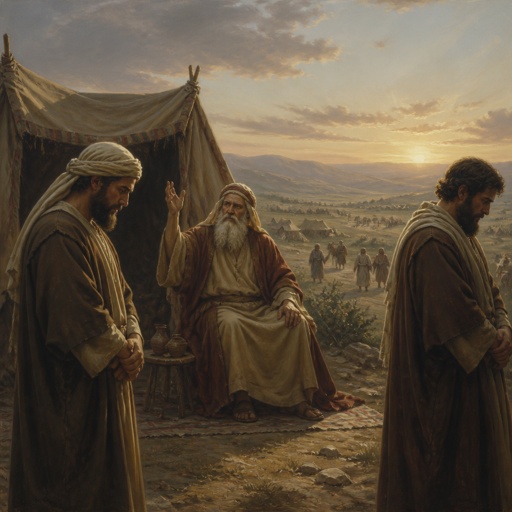
Artwork for Acts 7:49

Acts 7:49 - "Heaven is my throne, and earth is my footstool: what house will ye build me? saith the Lord: or what is the place of my rest?"

"Heaven is my throne, and earth is my footstool: what house will ye build me? saith the Lord: or what is the place of my rest?" - Acts 7:49

Acts 13:49 - "And the word of the Lord was published throughout all the region."

Isaiah 49 1-7

John 7:49 - "But this people who knoweth not the law are cursed."

Nehemiah 7:49 - "The children of Hanan, the children of Giddel, the children of Gahar,"

"And the word of the Lord was published throughout all the region." - Acts 13:49

Luke 7:49 - "And they that sat at meat with him began to say within themselves, Who is this that forgiveth sins also?"

"But this people who knoweth not the law are cursed." - John 7:49

Genesis 49:7 - "Cursed be their anger, for it was fierce; and their wrath, for it was cruel: I will divide them in Jacob, and scatter them in Israel."

Psalms 49:7 - "None of them can by any means redeem his brother, nor give to God a ransom for him:"

"The children of Hanan, the children of Giddel, the children of Gahar," - Nehemiah 7:49

1 Kings 7:49 - "And the candlesticks of pure gold, five on the right side, and five on the left, before the oracle, with the flowers, and the lamps, and the tongs of gold,"

Jeremiah 49:7 - "¶ Concerning Edom, thus saith the LORD of hosts; Is wisdom no more in Teman? is counsel perished from the prudent? is their wisdom vanished?"

Acts 3:6-7

Acts 3:6-7

Acts 3:6-7

Acts 3:6-7

Acts 3:6-7

Acts 14:7 - "And there they preached the gospel."

acts 20:7-12

Acts 7:47 - "But Solomon built him an house."

Acts 7:1 - "Then said the high priest, Are these things so?"

Acts 19:7 - "And all the men were about twelve."

"And they that sat at meat with him began to say within themselves, Who is this that forgiveth sins also?" - Luke 7:49

"And there they preached the gospel." - Acts 14:7

Acts 7:50 - "Hath not my hand made all these things?"

Acts 7:7 - "And the nation to whom they shall be in bondage will I judge, said God: and after that shall they come forth, and serve me in this place."
"Cursed be their anger, for it was fierce; and their wrath, for it was cruel: I will divide them in Jacob, and scatter them in Israel." - Genesis 49:7

Acts 7:18 - "Till another king arose, which knew not Joseph."