What does Genesis 34:16 mean?
“Then will we give our daughters unto you, and we will take your daughters to us, and we will dwell with you, and we will become one people.” — Genesis 34:16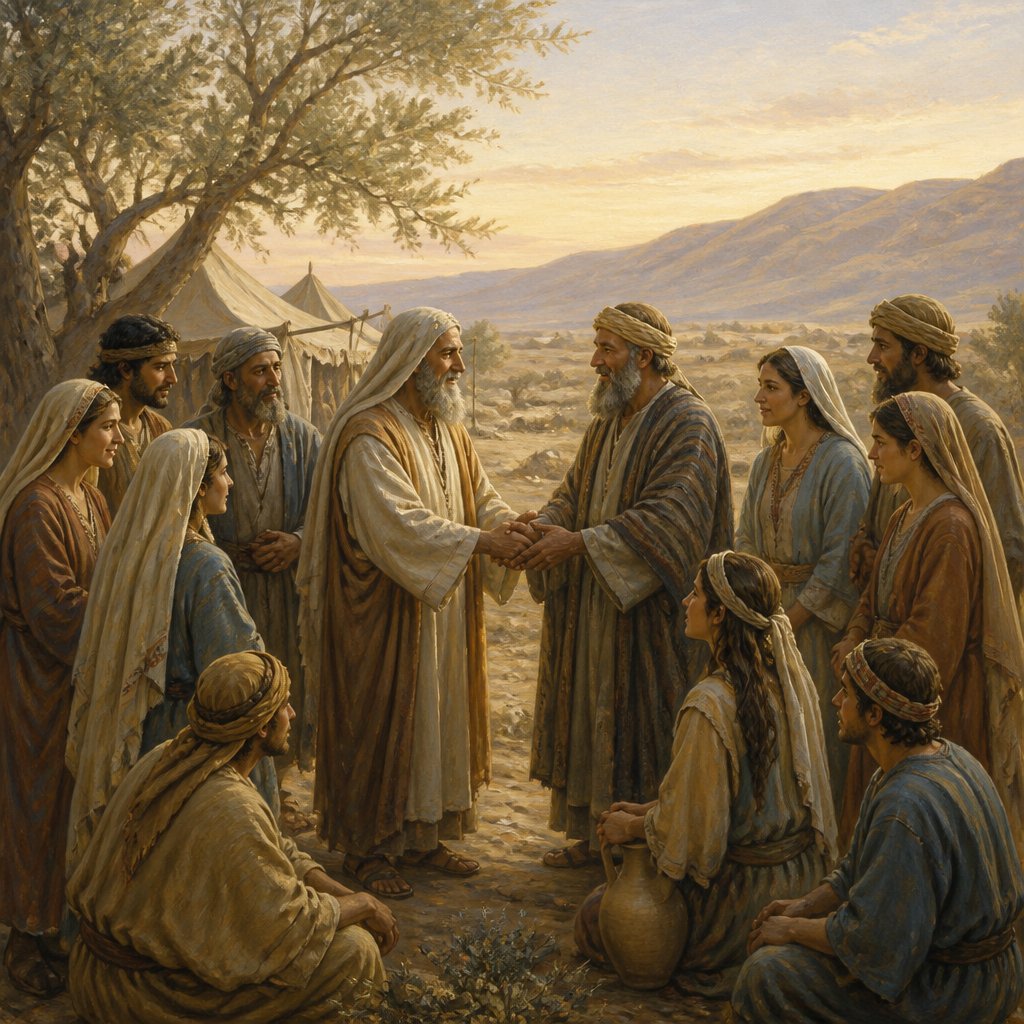
Genesis 34:16 (KJV) says, "Then will we give our daughters unto you, and we will take your daughters to us, and we will dwell with you, and we will become one people."
This verse is part of the story of Dinah, the daughter of Leah and Jacob. In this story, Dinah is violated by Shechem, a prince from the neighboring city. After this, Shechem falls in love with Dinah and asks his father, Hamor, to arrange a marriage with her. Hamor proposes a treaty between the two families, suggesting that the people of Shechem and the people of Jacob's family intermarry and become one community.
This verse captures a significant moment in the story, as it illustrates the attempt to reconcile the wrongdoing that was done to Dinah. The leaders of the city of Shechem are proposing a peace agreement and seeking a way to integrate their people with Jacob's family.
One of the central themes of this verse is the idea of reconciliation and forgiveness. Despite the hurt caused by Shechem's actions, the leaders of his city are seeking to make amends and create a new future for their communities by coming together as one people. This reflects the biblical value of seeking peace and seeking reconciliation, even in the face of conflict and wrongdoing.
The verse also highlights the importance of unity and integration. The leaders of Shechem and Jacob's family are proposing to merge their communities through intermarriage, symbolizing the breaking down of barriers and the building of alliances between two different groups of people. This theme of unity and integration is fundamental to the biblical message of love, acceptance, and the breaking down of divisions.
Furthermore, the verse carries a deeper symbolic meaning. The act of intermarriage between the people of Shechem and Jacob's family represents the coming together of different cultures, backgrounds, and traditions. It signifies the potential for mutual understanding, respect, and cooperation between diverse groups of people. This symbolism reinforces the biblical message of loving one's neighbor, regardless of differences, and working towards unity and harmony.
In the context of the larger story of Dinah, this verse also addresses the issues of justice and the treatment of women. The proposal for reconciliation and integration between the two communities raises questions about how to address the harm done to Dinah and the responsibility of the perpetrator, Shechem. It speaks to the complexity of seeking justice while also pursuing peace and forgiveness.
In conclusion, Genesis 34:16 (KJV) captures a pivotal moment in the story of Dinah and the attempt to reconcile the wrong that was done to her. The verse conveys themes of reconciliation, unity, and the breaking down of barriers, while also raising important questions about justice and forgiveness. It offers a profound message about the biblical values of love, unity, and the potential for healing and reconciliation, even in the wake of conflict and wrongdoing.
Get our apps


Artwork for Genesis 34:16
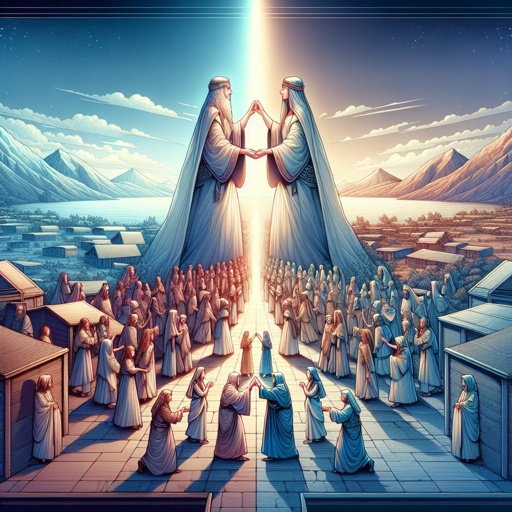
Genesis 34:16 - "Then will we give our daughters unto you, and we will take your daughters to us, and we will dwell with you, and we will become one people."
"Then will we give our daughters unto you, and we will take your daughters to us, and we will dwell with you, and we will become one people." - Genesis 34:16

Genesis 21-34

Genesis 19-34

Genesis 24-34

Numbers 34:16 - "And the LORD spake unto Moses, saying,"

Genesis 21:34 - "And Abraham sojourned in the Philistines' land many days."

Genesis 34:18 - "And their words pleased Hamor, and Shechem Hamor's son."

Genesis 24:34 - "And he said, I am Abraham's servant."

Genesis 34:31 - "And they said, Should he deal with our sister as with an harlot?"

Genesis 16:16

Genesis 36:34 - "And Jobab died, and Husham of the land of Temani reigned in his stead."

Genesis 34:28 - "They took their sheep, and their oxen, and their asses, and that which was in the city, and that which was in the field,"

Job 34:16 - "If now thou hast understanding, hear this: hearken to the voice of my words."

Genesis 30:34 - "And Laban said, Behold, I would it might be according to thy word."

Genesis 34:6 - "¶ And Hamor the father of Shechem went out unto Jacob to commune with him."

Genesis 34:15 - "But in this will we consent unto you: If ye will be as we be, that every male of you be circumcised;"

Genesis 34:27 - "The sons of Jacob came upon the slain, and spoiled the city, because they had defiled their sister."

Genesis 34:4 - "And Shechem spake unto his father Hamor, saying, Get me this damsel to wife."

Genesis 34:17 - "But if ye will not hearken unto us, to be circumcised; then will we take our daughter, and we will be gone."

Exodus 16:34 - "As the LORD commanded Moses, so Aaron laid it up before the Testimony, to be kept."

1 Chronicles 16:34 - "O give thanks unto the LORD; for he is good; for his mercy endureth for ever."

Genesis 34:29 - "And all their wealth, and all their little ones, and their wives took they captive, and spoiled even all that was in the house."

Genesis 34:20 - "¶ And Hamor and Shechem his son came unto the gate of their city, and communed with the men of their city, saying,"

Genesis 34:1 - "And Dinah the daughter of Leah, which she bare unto Jacob, went out to see the daughters of the land."

Genesis 37:34 - "And Jacob rent his clothes, and put sackcloth upon his loins, and mourned for his son many days."
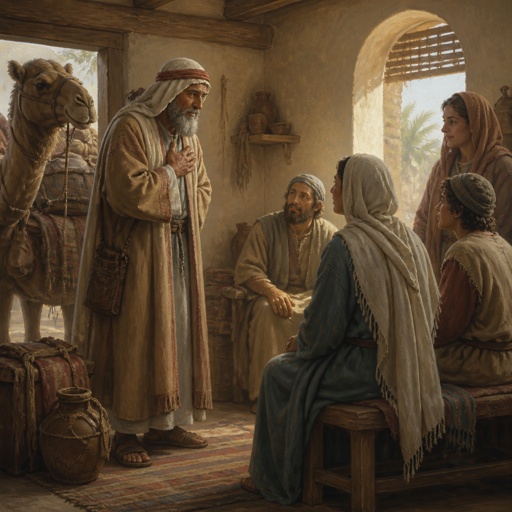
"And he said, I am Abraham's servant." - Genesis 24:34

Psalms 34:16 - "The face of the LORD is against them that do evil, to cut off the remembrance of them from the earth."

"And the LORD spake unto Moses, saying," - Numbers 34:16

Genesis 16:3