What does Nehemiah 9:7 mean?
“Thou art the LORD the God, who didst choose Abram, and broughtest him forth out of Ur of the Chaldees, and gavest him the name of Abraham;” — Nehemiah 9:7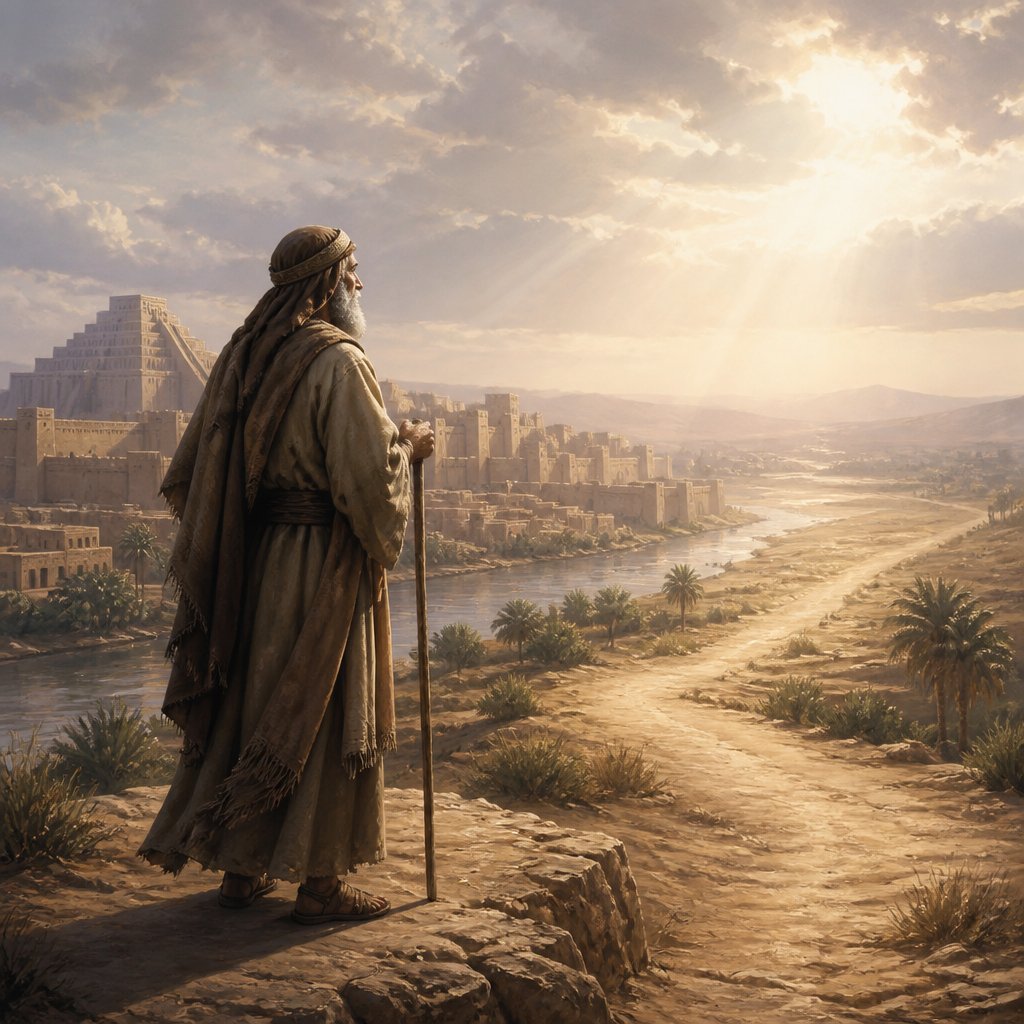
Nehemiah 9:7 in the King James Version states, “Thou art the Lord the God, who didst choose Abram, and broughtest him forth out of Ur of the Chaldees, and gavest him the name of Abraham.”
This verse appears in the book of Nehemiah, which is a historical account of the restoration of Jerusalem following the Babylonian exile. The context of this particular verse is a prayer of confession and repentance offered by the Levites on behalf of the people of Israel. The prayer recounts the history of the Israelites and acknowledges God's faithfulness and mercy throughout their journey.
The theme of this verse is centered on the faithfulness of God and His sovereignty in choosing and calling His people. The verse mentions God's choice of Abram (later named Abraham) and His act of bringing him out of Ur of the Chaldees. This act of divine election and calling is a recurring theme in the Bible, illustrating God's initiative in establishing a covenant relationship with His people.
The context of this verse is crucial for a comprehensive understanding of its significance. The backdrop of the prayer of confession in Nehemiah 9 highlights Israel's acknowledgment of their rebelliousness and God's continued faithfulness and grace towards them. This verse serves as a reminder of God's unwavering commitment to His chosen people, despite their shortcomings and disobedience.
The symbolism in this verse lies in God's deliberate choice and calling of Abraham. The act of choosing Abram out of all the people in the world points to God's sovereignty and divine plan for His people. It reflects the overarching biblical theme of God's election and calling of individuals and nations for His purposes. Additionally, the mention of Ur of the Chaldees symbolizes the place of origin from which God called Abraham, signifying a departure from the pagan culture and a new beginning in God's plan.
Abraham's journey out of Ur of the Chaldees also symbolizes the concept of faith and obedience. Hebrews 11:8 affirms Abraham's obedience to God's call, stating, "By faith Abraham, when he was called to go out into a place which he should after receive for an inheritance, obeyed; and he went out, not knowing whither he went." This act of faith and obedience in response to God's calling is an essential aspect of the biblical narrative and serves as a model for believers.
Furthermore, the naming of Abraham is significant in the biblical context. The name change from Abram, which means "exalted father," to Abraham, which means "father of a multitude," symbolizes the fulfillment of God's promise to make him the father of many nations (Genesis 17:5). This renaming signifies God's covenantal promise and His faithfulness to establish Abraham as the patriarch of a great nation.
In summary, Nehemiah 9:7 reflects the timeless themes of God's faithfulness, sovereignty, and calling of His chosen people. It underscores the concept of divine election, faith, and obedience, as exemplified in the life of Abraham. The verse also carries symbolic significance in representing the departure from a pagan culture, the fulfillment of God's promises, and the establishment of a covenant relationship. Ultimately, Nehemiah 9:7 serves as a testament to God's unwavering commitment to His people and His sovereign plan for redemption and restoration.
Get our apps


Artwork for Nehemiah 9:7

Nehemiah 9:7 - "Thou art the LORD the God, who didst choose Abram, and broughtest him forth out of Ur of the Chaldees, and gavest him the name of Abraham;"
"Thou art the LORD the God, who didst choose Abram, and broughtest him forth out of Ur of the Chaldees, and gavest him the name of Abraham;" - Nehemiah 9:7

Nehemiah 7:9 - "The children of Shephatiah, three hundred seventy and two."

"The children of Shephatiah, three hundred seventy and two." - Nehemiah 7:9

Nehemiah 7:7 - "Who came with Zerubbabel, Jeshua, Nehemiah, Azariah, Raamiah, Nahamani, Mordecai, Bilshan, Mispereth, Bigvai, Nehum, Baanah. The number, I say, of the men of the people of Israel was this;"

Nehemiah 6:9

Nehemiah 9:9 - "And didst see the affliction of our fathers in Egypt, and heardest their cry by the Red sea;"

Nehemiah 10:7 - "Meshullam, Abijah, Mijamin,"

Nehemiah 7:42 - "The children of Harim, a thousand and seventeen."

Nehemiah 7:24 - "The children of Hariph, an hundred and twelve."

Nehemiah 7:56 - "The children of Neziah, the children of Hatipha."

Nehemiah 7:25 - "The children of Gibeon, ninety and five."

Nehemiah 7:40 - "The children of Immer, a thousand fifty and two."

Nehemiah 7:31 - "The men of Michmas, an hundred and twenty and two."

Nehemiah 7:33 - "The men of the other Nebo, fifty and two."

Nehemiah 7:21 - "The children of Ater of Hezekiah, ninety and eight."

Nehemiah 7:28 - "The men of Beth-azmaveth, forty and two."

Nehemiah 7:14 - "The children of Zaccai, seven hundred and threescore."

Nehemiah 7:27 - "The men of Anathoth, an hundred twenty and eight."

Nehemiah 7:35 - "The children of Harim, three hundred and twenty."

Nehemiah 7:16 - "The children of Bebai, six hundred twenty and eight."

Nehemiah 7:58 - "The children of Jaala, the children of Darkon, the children of Giddel,"

Nehemiah 7:48 - "The children of Lebana, the children of Hagaba, the children of Shalmai,"

Nehemiah 7:19 - "The children of Bigvai, two thousand threescore and seven."

Nehemiah 7:15 - "The children of Binnui, six hundred forty and eight."

Nehemiah 7:44 - "¶ The singers: the children of Asaph, an hundred forty and eight."

Nehemiah 7:18 - "The children of Adonikam, six hundred threescore and seven."

Nehemiah 7:13 - "The children of Zattu, eight hundred forty and five."

Nehemiah 7:49 - "The children of Hanan, the children of Giddel, the children of Gahar,"

Nehemiah 7:55 - "The children of Barkos, the children of Sisera, the children of Tamah,"